There are so many decisions to make when writing a story. What genre should you write in, who should your main character be and just how many cups of tea is too many? (Trick question, there’s no such thing as too much tea).
Some of these questions you work out along the way and some, you need to decide right at the start. Choosing which narrative voice or Point of View (POV) to tell your story in, is one of the biggest decisions you may make.
Don’t let that frighten you though because, while there are lots of different POVs to choose from, none of them are wrong. The only thing you have to decide is, which feels right for this particular tale. In this month’s blog post I’m going to outline some of the main POV to choose from, as well as some tips on how to choose, in the hopes of making, at least one of your decisions, a little bit easier.

1. Do what comes naturally
Writing is hard enough as it is, so don’t try to shoehorn your story into a particular POV simply because you think it’s popular or that it’s the “correct” way of writing. When you tell yourself the story in your head, how does it sound? The best narrative voice is the one that feels most normal, natural and flowing. If you keep having to stop and check that you are keeping to your chosen POV or you keep slipping into different ones then you might need to reconsider your narrative voice. There’s no such thing as the best narrative voice, just pick the one that feels best for this story.
2. You can change your mind
This is a follow on from tip one. If you start writing and think that you might have chosen the wrong voice then you can always go back and change it. Nobody will know but you and it would be no fun to write a book in the wrong voice. It might be irritating, having to go back and rewrite those pages, but much like unpicking a shirt to restitch it, you have to make sure it fits right. It might even be helpful to see a few pages written in a couple of different narrative styles and help you decide if you have been having doubts. Remember, you are not carving your story into stone, you can always change your mind.
3. Who’s Story is it Anyway
We’ve all heard the phrase “character is story.” Deciding who your protagonist is, what kind of person they are and, most importantly, how you want your readers to feel about them can really help with choosing your POV. Think of your narrative point of view as the camera lens of your book. What do you want the reader to be looking at, where do you want their sympathies and attention directed? It will also affect the style of writing, how and when you reveal certain plot points. Do you want the reader to think and feel everything your character does? Do you want your reader to know more than the characters by looking in with a full world view? Thinking about who the story really belongs to can help you decide the narrative voice that’s right for you.

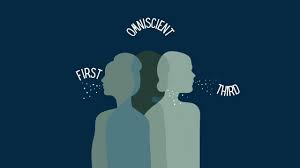
Feel free to experiment, try writing some flash fiction using different Points of View to see which ones you like best. Like choosing different clothes, you won’t know what styles suit you until you try them on. Here are some of the major narrative perspectives, and their examples, to choose from.
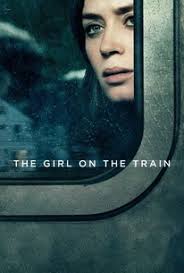
First Person Singular – using “I”
First person narratives allow you to see the story through one character’s eyes, with full understanding of their thoughts and feelings.
The Girl on the Train by Paula Hawkins
The Handmaid’s Tale by Margaret Atwood
Shadow and Bone by Leigh Bardugo
The Bell Jar by Sylvia Plath
To Kill a Mocking Bird by Harper Lee
“I pull the filthy plaster off the end of my finger and look at the pale wrinkled flesh beneath, dried blood caked at the edge of my fingernail. I press the thumbnail of my right hand into the center of the cut and feel it open up, the pain sharp and hot.” – The Girl on the Train by Paula Hawkins
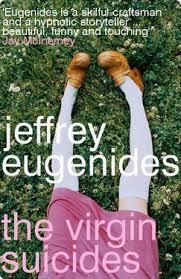
First Person Plural – Using “We”
A lesser used first person narrative using the collective “We” allowing the reader to see the story through the eyes of a group.
The Virgin Suicides by Jeffrey Eugenides
The Notebook by Agota Kristof
Our Hearts Will Burn Us Down by Anne Valente
We Ride Upon Sticks by Quan Barry
“It didn’t matter in the end how old they had been, or that they were girls, but only that we had loved them, and that they hadn’t heard us calling, still do not hear us, up here in the tree house, with our thinning hair and soft bellies, calling them out of those rooms where they went to be alone for all time, alone in suicide, which is deeper than death, and where we will never find the pieces to put them back together.” – The Virgin Suicides by Jeffrey Eugenides
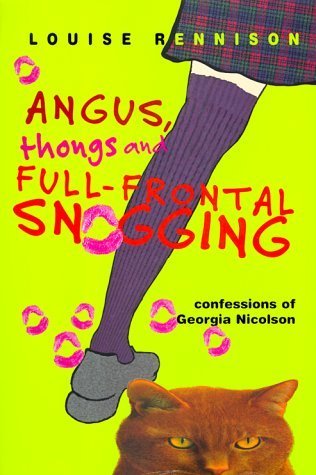
First Person Epistolary – Using letters or diary entries
A First person narrative in the style of a confessional, the main character is telling the story as a writer themselves
The Color Purple by Alice Walker
Dracula by Bram Stoker
The Secret Diary of Adrian Mole aged 13 3/4 by Sue Townsend
Frankenstein by Mary Shelley
Angus, Thongs and Full-Frontal Snogging by Louise Rennison
“11.35 am
There are six things very wrong with my life:
1.I have one of those under-the-skin spots that will never come to a head but lurk in a red way for the next two years.
2.It is on my nose.
3.I have a three-year-old sister who may have peed somewhere in my room.
4.In fourteen days the summer hols will be over and then it will be back to Stalag 14 and Oberfuhrer Frau Simpson and her bunch of sadistic teachers.
5.I am very ugly and need to go into an ugly home.
6.I went to a party dressed as a stuffed olive.” Angus, Thongs and Full Frontal Snogging by Louise Rennison
Third Person Limited (or close third) – Using He, She, It, They
A camera from above style, the story is directed through the current character, showing only their experiences, actions, and thoughts
The Ballad of Songbirds and Snakes by Suzanne Collins.
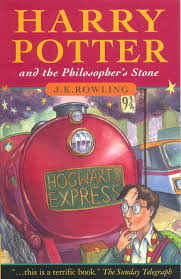
The Harry Potter series by JK Rowling
The Da Vinci Code by Dan Brown
The Girl with the Dragon Tattoo by Stieg Larsson
“Harry Potter rolled over inside his blankets without waking up. One small hand closed on the letter beside him and he slept on, not knowing he was special, not knowing he was famous, not knowing he would be woken in a few hours time by Mrs. Dursley’s scream as she opened the front door to put out the milk bottles.” Harry Potter and the Philosopher’s Stone by JK Rowling
Third Person Omniscient – All Seeing Narrator
The narrator has complete knowledge and insight of all characters and shares this understanding with the reader.
Little Women by Louisa May Alcott
The Lord of the Flies by William Golding
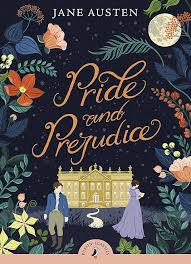
Pride and Prejudice by Jane Austen
Stardust by Niel Gaimen
Tomorrow and Tomorrow and Tomorrow by Gabrielle Zevin
“When Jane and Elizabeth were alone, the former, who had been cautious in her praise of Mr. Bingley before, expressed to her sister how very much she admired him. “He is just what a young man ought to be,” she said.” Pride and Prejudice by Jane Austen
Second Person – Using “You”
Using ‘you’ to narrate the story, the writer casts the reader as the main character and directs the story through you.
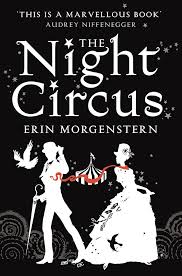
The Night Circus by Erin Morgenstern
Half Asleep in Frog Pajamas by Tom Robbins
Open Water by Caleb Azumah Nelson
You by Caroline Kepnes
“You may tell a tale that takes up residence in someone’s soul, becomes their blood and self and purpose. That tale will move them and drive them and who knows what they might do because of it, because of your words. That is your role, your gift.” ― Erin Morgenstern, The Night Circus
In the End …..
There are so many choices out there, all of them with their own benefits and limitations. So many genres and subgenres exist that you will never be short of choice and that’s what it ultimately comes down to. In the end, it is always your choice. Choosing can be difficult but until you choose your point of view you can’t start writing so just choose one and see how it feels. Try it on for size. Read books using that particular narrative lens and see how you like it from a reader’s perspective. Then pick your voice, and go tell your story.
Good luck and happy writing!
 Moor Imagination