
The last time I sat down to write this blog it was the height of Summer. I was wearing shorts and everything smelled of sunscreen. Now, I’m already in my cosy jumpers and dusting off the slow cooker. It’s been a while since I last wrote …
I knew I wouldn’t be able to dedicate much time to writing over the Summer. The children were off school, there were deaths and births and more pressures on everyday family life so I allowed myself to take a natural break. Rather than feel sad about the lost writing time I decided to look upon this as merely a pause, the kind that we all need to take sometimes. A friend said to me recently, “We have to take the breaks when they come so that we don’t break.” It has quickly become one of my favourite sayings.
Taking a break from your writing is nothing to apologise for. If you know you have a busy or stressful time coming up, it’s sensible to adapt your routine.
I sometimes worry that we as a society have become afraid to take a break, to stop and breathe. But breath is life, breath can re-centre and refocus us. Don’t be afraid to simply breathe.

I allowed myself to breathe over the summer, to enjoy my children, with slow play and simple days but now, I’m ready to start writing again. All around me the autumn season is snuggling down for the cold season to come but I am waking up.
However, it isn’t easy. I can feel the rusty joints of my brain creaking and complaining as I attempt to get them working again. Writing and creativity is a muscle, the more you use it the stronger it gets and just like any muscle that you stop using, it takes practice to get the strength back.
So how do we return to writing after taking a break? How do we get our groove back? I’ve asked myself this a lot recently and here’s what I’ve come up with – I hope you find it useful too!

1. Be Gentle With Yourself
If you were a runner and you took a break after straining your ankle you wouldn’t expect yourself to get back to full stamina straight away, so why do we demand the same of our creativity? Your ideas are still there, they just might need a little more time to form. Your creativity might have lost its stamina but with a bit of gentle exercise, you will get it back. So while you’re working your muscles and building back to full strength, be gentle with yourself, don’t expect to be able to run a marathon straight away.

2. Read
I find the best way to fall back into writing is to fall back into reading. Find a story that you love and allow yourself to be immersed in it, get inspired and excited, remind yourself why you love words. If you don’t know what to write, then read. If you don’t know what to read then pay a visit to your local bookshop or library and ask them for a recommendation. Book people love to recommend books and you never know, you might find your next favourite story.

3. Create a Simple Routine
Your brain will need rules if it’s to get back to writing so make yourself a simple, easy to do list. Start small. Don’t feel like you need to play catch up – it’s important that your writing tasks are non threatening and easy to achieve at the beginning. The idea is to re-introduce yourself to regular writing, to make it an inviting task and not a chore. How you do that will look different to everyone depending on what you need but here are some ideas and examples to get you started.
- Write one sentence
- Write down a writing prompt
- Reread something you wrote before you took your break
- Edit one paragraph
- Free write for two minutes
- Journal or draw
- Sit and do nothing for five minutes. No phone, no book, no tv or music. Just sit and think about anything. Or nothing. For five minutes.
These steps are enough. Think of them as light weights in the gym, to practise lifting. They are simple for a reason.

4. Motivation and Reward
No, you’re not treating yourself like a dog, you are working with the cause and effect response designed by your very clever brain. When you get something nice after completing a task, your brain will want to do that task again. A cup of tea, a biscuit, reading a chapter of your favourite book, or just having a rest are all simple ways of incentivising your brain and keeping you on track. You don’t have to go on rewarding yourself forever but at the start, it’s a good way to keep you motivated.
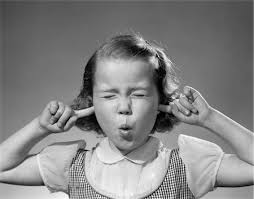
5. Tell Your Inner Critic To Be Quiet
The voice of the inner critic is the biggest killer of creativity. There’s nothing like you, for getting in your own way is there? Which is a shame because your inner critic, if used carefully, can be an excellent writing tool. The inner critic can be incredibly useful when it comes to editing, for getting things right, for tidying things up and being exact. That’s because your inner critic is the bossy sensible grown up in your brain. They are there to keep you clean and tidy and follow the rules. Inner critics are great at tidying up a manuscript but they are total pants at creating one. That’s because your creativity, the bit of your brain that comes up with the ideas and doesn’t care about rules, is a child. Creativity wants to run through the woods with scabby knees, and shriek at the sky and never ever wash its face. Your Inner Critic makes sure the game has rules and makes sense but your creative child ensures that there is a fun game to play in the first place. So, for now, your inner critic isn’t invited to any of your playdates. Let your creativity be a wild thing, let them make up nonsense, let them run and jump and fly and play. Your inner critic and go take a nap.

So, this is my plan for September and I am excited. After a rest we often find ourselves changed so what kind of writing will I return to? What sort of ideas can my newly rested brain come up with? How does my creative child see the world now? What games do they want to play? They say a rest is as good as a feast but I am hungry for the page. The world is getting ready for hibernation but I am ready to remerge and, I hope, you are too.
So, be gentle with yourself, do not censor yourself. Reward yourself, inspire yourself and, most of all, allow yourself to be yourself. After all, there’s no one who can write quite like you.
 Moor Imagination