
Let me tell you something right now: locations matter. They matter like oxygen to your lungs, like that first cup of coffee in the morning, like your Wi-Fi signal when you’re in the middle of a dramatic writing breakthrough. A well-written location isn’t just a backdrop—it’s the pulse of your story, the heartbeat of your scenes. It can seduce, it can terrify, it can surprise, and it can do everything in between. The setting isn’t some side character hanging out in the background. Oh no. The location is the star right along with your characters.
If you’re ready to build a world that makes your readers sit up and pay attention, then buckle up because we’re about to dive into the magic of location writing. Let’s do this.

1. The Power of the Senses: Engage Them All
If your readers aren’t feeling your location, you haven’t truly taken them there. They need to be living it. Imagine your characters are stepping into the scene—and I want you to think about what they’re experiencing with all five senses, because this is not the time to be subtle. Go big or go home.
- Sight: Paint me a picture. Are the trees dripping with moss, casting shadows like ancient sentinels? Or is the beach glowing with golden sunlight that screams, “This is where love happens”? Whatever it is, make it vivid.
- Sound: What’s in the air? The crash of waves, the distant wail of a siren, the low hum of life outside a busy café? If your location has a soundtrack, let us hear it.
- Smell: Don’t underestimate the power of smell. Maybe the air reeks of saltwater and old fish down at the docks. Maybe the bakery around the corner smells like sugar and sin.
- Touch: Is it hot, sticky, freezing, or comforting? Can they feel the breeze lifting their hair or the chill of the subway platform?
- Taste: Is the protagonist sipping a drink while staring out at the skyline? Is the salty air clinging to their lips? Is this location so real they could almost taste it? Then show us.
We don’t need to overload, but we do need specificity. This is where you stop writing and start crafting.

2. Location Sets the Mood—So Make It Work for You
Your location isn’t just a physical place; it’s emotional. It sets the tone for your characters. It’s the mirror to their feelings, their journey, their chaos. If the character is a mess inside, you best believe the weather’s about to have a full-on storm of its own. Or maybe things are calm for the first time in months, and the sun’s finally breaking through those metaphorical clouds.
- Dark alleys? Get ready for danger. Suspense. Someone’s not making it out of this scene without a scrape.
- Sunlit park? Romance, baby. First dates, last kisses, big promises. This is where magic happens.
- Raging storm? Someone’s about to have an emotional breakdown. Maybe the tears fall right alongside the rain. Maybe they’re screaming into the wind. Either way, it’s epic.
If you’re writing a tense negotiation scene in a dimly lit office with blinds casting shadows—guess what? That tension’s doubled because the mood is working with you. Your location has your back.

3. Specificity is Your Best Friend—Make the Details Sing
General? Vague? Forget it. If you’re going to tell me the story takes place in “a small town,” I’m going to need more. Is it the kind of small town where everyone knows your name and also your business? Or the kind where the petrol station is 30 miles away and there’s no phone signal?
Your setting is specific, it’s real, and it matters. If it’s a real place, do the work. Research. Get it right.
And if your location is fictional—oh, you better know every crack in the sidewalk and the sound of every door creak. Own your world-building. Is there a clock tower that strikes every hour on the dot? A broken lamppost no one’s bothered to fix for ten years? A diner with terrible coffee but the best cakes in the world? Let those details sing.

4. Location Shapes Your Characters
Listen, people don’t just exist separately from their surroundings. They are shaped by them, they react to them. If your character’s walking down the mean streets of New York City at midnight, they’re going to act differently than if they’re strolling through a quaint village in Tuscany, okay?
- In a city, your character might rush, dodge pedestrians, and blend into the chaos.
- In a small town, they’re more likely to slow down, wave at passersby, maybe recognize the same dog tied outside the coffee shop every morning.
Also, don’t forget about local culture and customs. Where are your characters from, and how does that influence their interactions with this place? A newcomer in a place might feel awkward, out of step, like they don’t belong. A native? They own the streets. The setting influences not just the actions of your characters but their mood and their motivation.

5. Show, Don’t Tell—The Golden Rule of Location
This one’s classic for a reason. You want to tell me the place is “creepy”? No, no, show me. Let me feel it creeping under my skin. Use your words like a surgeon with a scalpel, carefully slicing into the scene and pulling out just enough to reveal the truth.
- Telling: “The house was spooky.”
- Showing: “The front steps sagged like a weary old man, and the windows, dark and empty, seemed to watch her every move. The wind whispered through the cracks in the walls, its breath cold against the back of her neck.”
See that? Now the house isn’t just spooky—it’s alive. It has character. It means something.

6. Pacing Yourself—Don’t Drown in Description
Yes, I know. We love a dramatic location. But here’s the thing—no one needs three paragraphs about the intricate woodwork on a single door unless that door is about to kill someone. Descriptions are like the seasoning in a meal: just enough and it’s perfect. Too much and it’s overwhelming.
Give us what we need to be there, to feel it, and then let the story move. The readers will fill in the blanks if you give them the right clues.

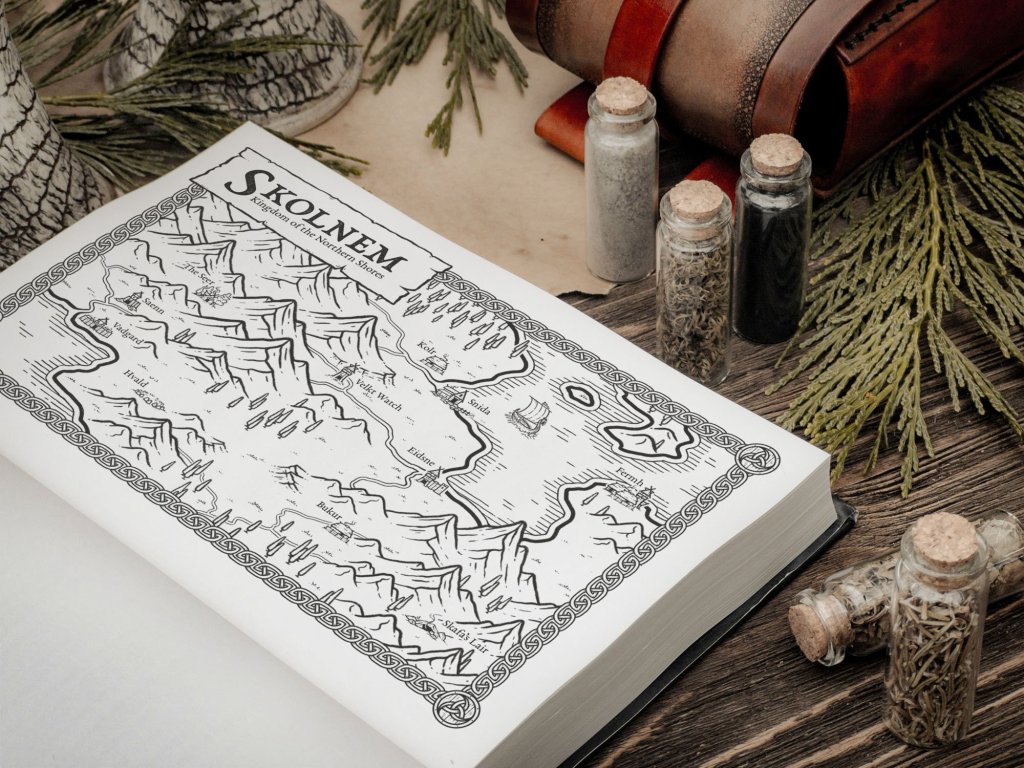
7. Your Location is a Character—Treat It Like One
Here’s where the real magic happens. Your location is not just a background prop. It’s alive. It’s breathing, plotting, influencing everything. The location is a character with just as much personality and influence as any human one.
Ask yourself: What role is my setting playing in this story? Is it working against my characters or for them? Is it a sanctuary or a threat? Make sure it’s actively shaping the narrative.
Final Thoughts
When it comes to writing locations, you have to commit. Don’t let it be an afterthought. Make your setting vivid, specific, and alive. Bring it into the story as much as you bring your characters into it. Use all the senses, match the mood, and let your location do some of the heavy lifting – your setting is the scene-stealer no one saw coming.
Now go. Build your world, one sensory detail at a time. And remember, it’s not just about where your story happens—it’s about why it happens there.
Happy writing, and may your settings be just as engaging, dramatic, and unforgettable as your characters
 Moor Imagination