What Self-Publishing Looks Like from Behind the Bookshop Counter
A conversation with Kayleigh White from Book Stop, Tavistock & Okehampton Library
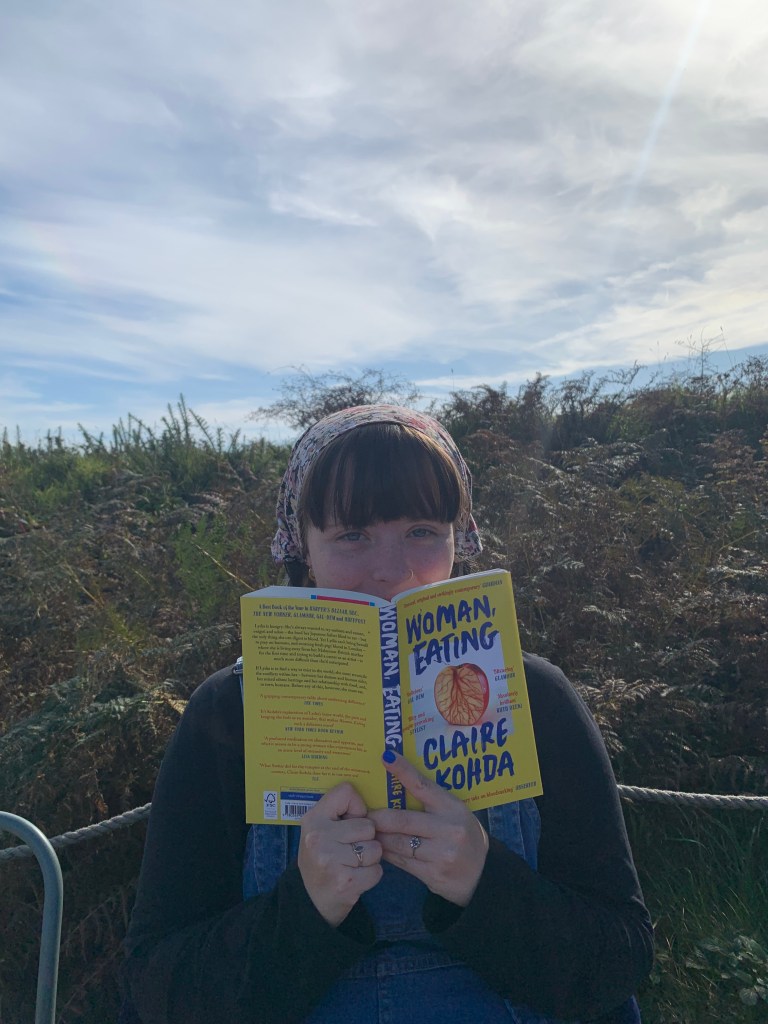
Welcome back to our self-publishing series, a subject that has clearly captured the curiosity (and creativity!) of the Moor Imagination community. From formatting to publishing routes, your questions and enthusiasm have turned this into an ongoing exploration – and we love it.
This month, we’re thrilled to hear from one of our very own: Kayleigh White, a writer, bookseller at Book Stop in Tavistock (a true gem of a bookshop), and part of the team at the equally brilliant Okehampton Library.
With her unique perspective working both behind the till and among the library shelves, Kayleigh kindly sat down with us to share her experience of how self-published books are received and what authors can do to give their work the best chance of success.
First Impressions Matter
(Yes, we judge books by their covers)
Q: Kayleigh, let’s start with the basics – what’s the first thing a bookseller notices about a self-published book?
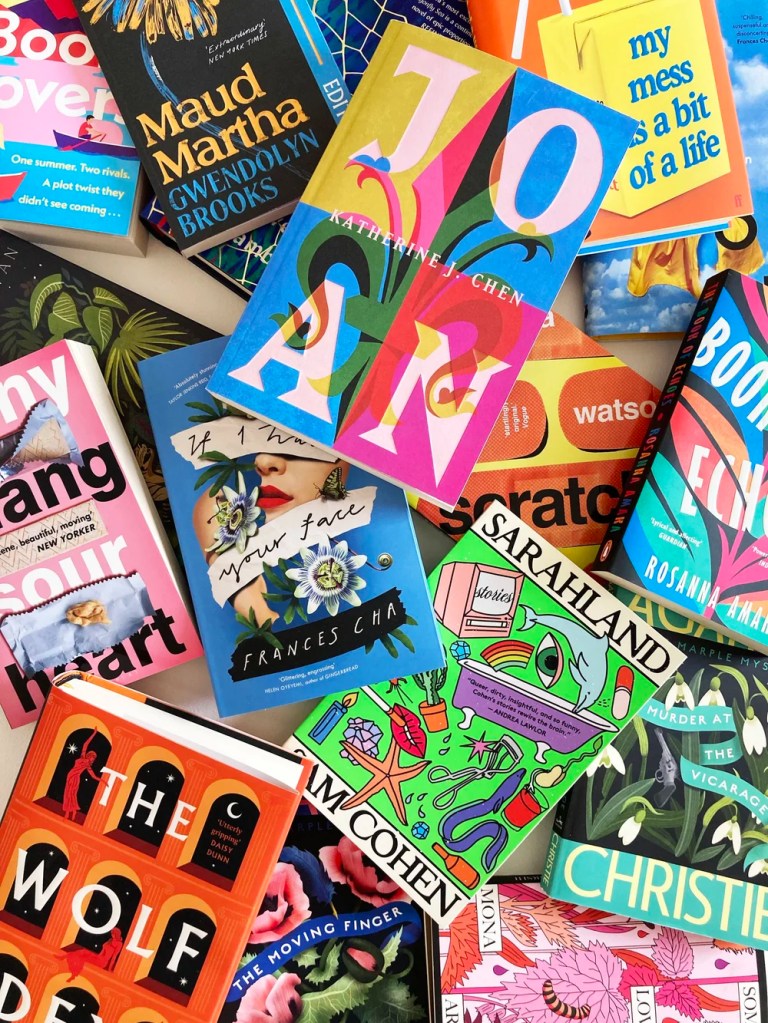
Kayleigh: The cover. Always. I know it sounds like a cliché, but people absolutely do judge books by their covers – especially when browsing in a shop. Your book is going to sit on a shelf next to professionally published titles with high-quality design and branding. To stand a chance, your book has to look just as polished.
For example, a blank spine – that’s something we see quite often with self-published titles. If the book is too thin to have anything printed on the spine or the author simply hasn’t added it, it ends up looking like a white block on the shelf. Customers are far less likely to pick that up.

Q: Any design trends you’d recommend authors look into?
Kayleigh: Definitely. Take a look at covers that are currently on display in shops. What colours are being used? What fonts? At the moment, bright, bold, and contemporary covers are doing well. Books with photographs of people on the cover have become a bit dated, so it’s good to be aware of that shift. Holly Ovenden is a great designer to research – her covers are eye-catching, modern, and beautifully balanced. And finally, stick to standard sizes. Books that are too large or awkwardly shaped just don’t fit well on shop shelves, and they often end up in a less visible spot, not because we’re hiding them, but simply because we don’t have the space.
So You Want to See Your Book in a Bookshop?
Q: What advice would you give to a self-published author who wants to approach a bookshop?
Kayleigh: Start with an email – always. Don’t walk in unannounced with a pile of books in your arms. We get approached a lot, and while we’re happy to support local writers, it really helps if we’ve had a bit of warning.
In your email, include all the important info: the book title, ISBN, RRP, a short blurb, where it’s available from for example, Gardners is great (more on that in a second), and why you think it might appeal to that particular shop.
If we’re interested, we’ll often agree to take a few copies on a sale-or-return basis. That means we’ll try to sell them, and if they don’t shift within a certain time, we’ll ask you to collect them.
Q: You mentioned Gardners – why does that matter?
Kayleigh: Gardners is the main wholesaler used by independent UK bookshops. If your book is listed with them, it’s so much easier for us to order it in. We don’t have to chase the author or set up special arrangements. If your book is only printed via Amazon, for example, we often won’t stock it, simply because Amazon is a direct competitor and it makes the process difficult.

Q: And what are some approaches that don’t go down well?
Kayleigh: Oh, where to begin!
We’ve had people:
- Ask for a book we don’t stock, then reveal it’s their own, and ask us to sell it.
- Try to pitch their book in mid-December with a long queue behind them – Christmas chaos is not the moment for book promotion!
- Leave a pile of books on the counter without permission. Please don’t do that. It’s awkward, and we can’t sell a book just because someone left it behind.
Instead, be polite, be professional, and give us the chance to consider your book properly. There’s also a fantastic guide put together by the Booksellers Association:
👉 Getting Your Book into a High Street Bookshop (PDF)
We share this with every self-published author who contacts us, and it’s full of useful advice

What About Libraries?
Q: What should authors know about getting their book into a library?
Kayleigh: It’s a bit different from bookshops. In Devon and Torbay, library stock is decided centrally by a team called the Stock Services Team. You can contact them directly to suggest your book, but they’ll usually only buy one or two copies – and those would be shared among the 50+ libraries in the region.
That said, if an author donates a copy to their local library, we can usually add it to the shelves – especially if it has local interest or relevance to the community.
Q: Can authors launch their book at the library?
Kayleigh: Not usually. We get a lot of requests for launches, and unfortunately, we just don’t have the staff time or resources to host events for every author. But we do offer room hire in many libraries. At Okehampton, for example, there’s a meeting room upstairs, and Exeter Library has an exhibition space that can be hired. Each library is different, so it’s worth asking what’s available in your area. It can make a great, low-cost venue for a launch!

The Local Advantage
Q: Final question – does being local help?
Kayleigh: Hugely! If your book is set in or inspired by the local area, or if you’re a local author writing about something relevant to the community, we’re far more likely to consider it. A book about Edinburgh Castle won’t fly off the shelves in Tavistock – but a story set on Dartmoor? Absolutely.
So play that card proudly – your location might be your biggest asset.
In Summary: Be Professional, Be Prepared, Be Polite
 Moor Imagination