A Writer’s Guide to Procrastination (and How to Use It to Your Advantage)
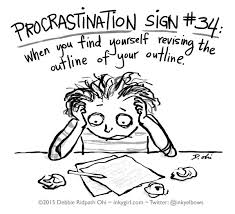
Welcome, fellow writers – and fellow world-class procrastinators.
If you’ve ever stared at your writing project while suddenly remembering the hallway cupboard desperately needs reorganising, you’re not alone. In fact, this month at our Moor Imagination writers’ group, we had a wonderfully honest chat about procrastination – why we do it, how to deal with it, and (perhaps most surprisingly) how it might actually be helping us.
So, in this post we’re going to gently unwrap the tangled, tea-stained knot that is procrastination.
We’ll look at why it happens, how to manage it, and how to sneakily turn it into something useful.
Spoiler …. you’re probably not lazy. You’re just thinking in disguise.

Why Do Writers Procrastinate?
Because we’re human. And writing – especially creative writing – isn’t just a task, it’s an emotional leap. You’re making something from nothing. That’s no small feat.
Here are a few common reasons we delay the page:
- Fear of getting it wrong (aka perfectionism in a clever hat)
- Overwhelm (too many ideas or too high a bar)
- Lack of routine or structure (floating from thing to thing)
- Your brain buffering (yes, like a laptop loading — more on that below)
- Sheer stubbornness (don’t tell me what to do, even when it’s me telling me)
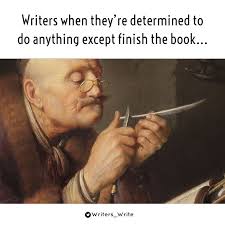
My own personal brand of procrastination? I do everything else. The garden gate is painted, the sock drawer rearranged and the pencils sharpened and arranged by size – just not the one thing I’m actually supposed to be doing.
The upside? I get loads done. Just… not that thing.
Practical Ways to Tackle Procrastination (Without Shouting at Yourself)
- 1. Build a Routine (Even a Wobbly One) You don’t need a strict 6am writing schedule but it helps to give your writing a slot. Whether it’s half an hour after breakfast or 20 minutes before bed, putting it in your day gives it shape and stops it slipping through the cracks.
- ☕ 2. Bribe Yourself (Kindly) Cup of tea? Favourite playlist? A square of chocolate? Writing is easier with a treat attached. It doesn’t have to be fancy – just something to make the task feel a little softer around the edges.
- 3. Do the Dreaded Thing First Start your writing session with the bit you least want to do. You’ll feel lighter afterwards, and the rest of your day will be brighter by comparison. (This tip is annoying. But it works.)
- 4. Try a Quick Win First OR… (because we like options), do a super small, easy task to build momentum. It could be writing one sentence. Opening the doc. Naming a character. The brain loves a win – even a tiny one. It tricks you into starting, and once you’re in, it’s easier to keep going. This is psychology, not witchcraft – but it still feels like magic. (although, to be fair, that’s exactly what a witch would say ….)

When Procrastination Is Actually Helpful
Not all procrastination is bad. In fact, some of it is a clever little detour your brain takes to help you work things out.
1. Distance = Clarity
Stepping away gives you space. It stops you clinging too tightly to what you thought the story was and lets you return with fresher eyes and better perspective.
2. Brain Buffering
You might think you’re just staring out the window or reorganising your kitchen cupboard… but deep down, your brain is tinkering away. Plot holes are closing. Characters are arguing. You’re solving the problem … just not out loud yet. (unless, like me, you talk out loud a lot when thinking, in which case yes, it is ALWAYS ALL OUT LOUD)*
3. Diversion = Breathing Room
Sometimes, doing something else lets your creativity stretch its legs. Taking a walk, baking a cake, pottering in the garden – these diversions make space for new thoughts to bubble up.
So no, you might not be writing your novel/play/poem/story in that moment.
But you might be finding your way back to it.
In Summary: Work With It, Not Against It
Procrastination isn’t a failure. It’s not laziness. It’s usually your brain waving a little flag that says, “I need something! space, clarity, comfort, or courage.”
So instead of trying to banish procrastination completely, try to:
- Understand why it’s showing up
- Use small tricks to get going
- Let the detours teach you something
- And, when all else fails… start again tomorrow
The goal isn’t to be endlessly productive. The goal is to keep returning – to your story, your page, your voice. Again and again.
And yes, you’re allowed to have a biscuit on the way there.
Want to Share Your Tips?
We’d love to hear from you!
What helps you get back to the page when procrastination strikes? What’s your signature avoidance strategy and does it secretly help?
Drop a comment, send us a message, or chat with us at the next Moor Imagination group.
Until then, happy writing, happy wobbling, and remember: sometimes a tidy sock drawer is part of the creative process.
*Shout out to everyone who has to live with me. I’m so sorry.
 Moor Imagination