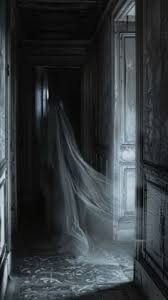
This month at Moor Imagination, we delved into the eerie, the unsettling, and the wonderfully spine-tingling world of ghost stories.
We talked about what makes a ghost story work, how to bend (or break) the rules of the genre, and the truth behind every good haunting – that ghost stories are rarely just about ghosts.
Whether you’re writing something chilling, something silly, or something surprisingly sad, ghost stories hold a special kind of power. They tap into something deep, even if you don’t believe in them at all.
So, what makes a good ghost story? Lets gather round the campfire, and talk about one of the most compelling subjects in fiction – what lies beyond.
What Is a Ghost Story, Really?
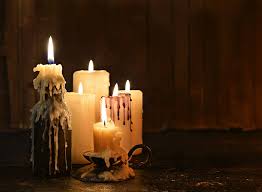
When we think “ghost story,” many of us picture old houses, flickering candles, and something going bump in the night. But ghosts come in many forms. They don’t always rattle chains sometimes, they’re a secret, a regret, an unmet desire
At our writers’ group, we explored the idea that a ghost can be anything that makes your spine tingle or your hairs stand up. It might be a whisper in an empty room, a memory that won’t leave, a photo that shouldn’t exist… or a perfectly ordinary object that suddenly feels wrong.
Humans love an adrenaline rush. I have a theory that most of us fall into one of two camps for this – you’re either team rollercoaster or team scary story … and I hate rollercoasters so, here we are!
And the important thing to remember is, you don’t need to believe in ghosts to enjoy ghost stories or write a good one. You just need to know how to build tension, play with the senses, and give readers that delicious sense of unease.
What Makes a Ghost Story So Fun to Write?
There’s something oddly joyful about writing something creepy. Here’s why we love it:
1. It’s Suspenseful by Nature
Ghost stories give you permission to build slowly to linger on atmosphere, to let the air feel thick and the silence stretch. It’s writing as mood-building, and that’s incredibly satisfying.
2. They Engage All the Senses
To write a ghost story well, you start noticing the creak of the floorboards, the musty smell of the air, the way shadows fall just slightly wrong. It’s a fantastic exercise in sensory writing and your craft will thank you for it.
3. They’re Rarely Just About the Ghost
This was one of the most powerful points raised in our discussion: ghost stories are often about something else entirely.
Grief. Guilt. Memory. Regret. Longing.
The ghost is a literary tool, a symbol, a spark, a stand-in for the thing your character can’t quite name. And that’s why ghost stories can be unexpectedly moving, even in their most chilling moments.
Do Ghosts Always Have to Be Scary?
no.
(That’s it, end of blog, we can all go home now. )
Ghosts don’t have to be terrifying. They don’t even have to be the bad guy. Some of the best ghost stories turn the usual tropes on their heads:
- A funny ghost who’s more confused than malevolent
- A tragic ghost who’s trying to help
- A quirky ghost that won’t leave the attic (because they’re embarrassed about how they died maybe?)
You can stretch the genre. You can play with tone. Ghost stories don’t all have to end with screams, some can end with laughter, or tears, or a quiet, unsettling hum that stays with the reader long after the final page.

Tips for Writing Your Own Ghost Story
If this month’s session has inspired you to write something ghostly, here are a few ideas to get you started:
- Start with setting: Ghost stories live and die by their atmosphere. Where does your haunting take place? What does it feel like to be there? And how does the location influence the story?
- Less is more: It can be easy to fall into melodrama but the more subtle the unease, the more the reader has to bring their own imagination. Tease, linger, suggest rather than jump scare them. Leave room for doubt, which is sometimes the most frightening aspect of all.
- Use silence: What isn’t said is just as powerful as what is. How does silence feel? What does your character notice in those moments? What do they feel, sense or learn in the quiet of the night?
- Think emotionally: What is your ghost for? What memory or message is it holding?Why is it there? Do you know what it wants?
- Try flipping the mood: Challenge yourself to write a ghost story that’s funny, kind, or even comforting.
- Write what creeps you out: If it unsettles you, chances are it will land with your reader, too.

Final Thoughts: The Ghost Is Never Just the Ghost
At the heart of every good ghost story is something more human , something real, raw, and relatable. The haunting is a metaphor, a message, or a mirror.
That’s why ghost stories endure. They speak to the parts of us that linger, the things we’ve left unsaid, or the feelings we thought we buried long ago.
So, whether you’re writing something to raise goosebumps or grins, let the ghost do its job, not just to scare, but to reveal.
Until next time, happy haunting, happy writing, and don’t forget to leave the light on…
Want to Share?
What’s your favourite ghost story? Are you a Woman in Black Fan or a Haunting of Hill House addict? Drop us a comment below or in our socials and let the ghost stories round the fire continue …
 Moor Imagination