A Year in Words! Moor Imagination’s 2025 Round-Up

As 2025 draws to a close, I’m taking a moment to look back, and appreciate everything this beautiful, and wildly creative community has done and made together this year.

From scribbled ideas and unexpected poems to ghost stories, friendships, and shared snacks, it’s been a year of writing, rewriting, giggling, and showing up for each other, one word at a time.

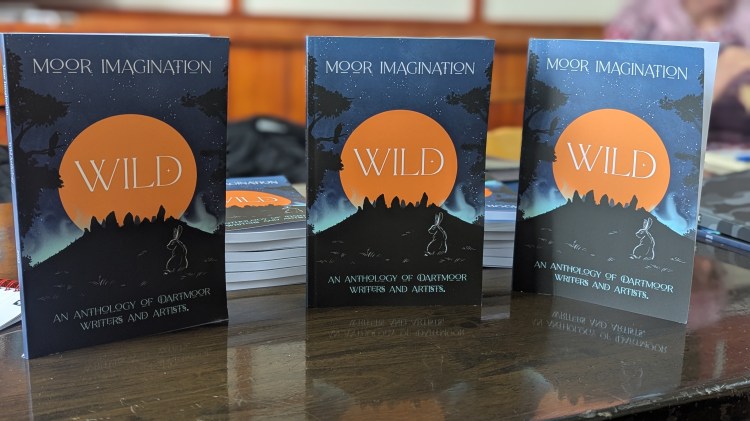
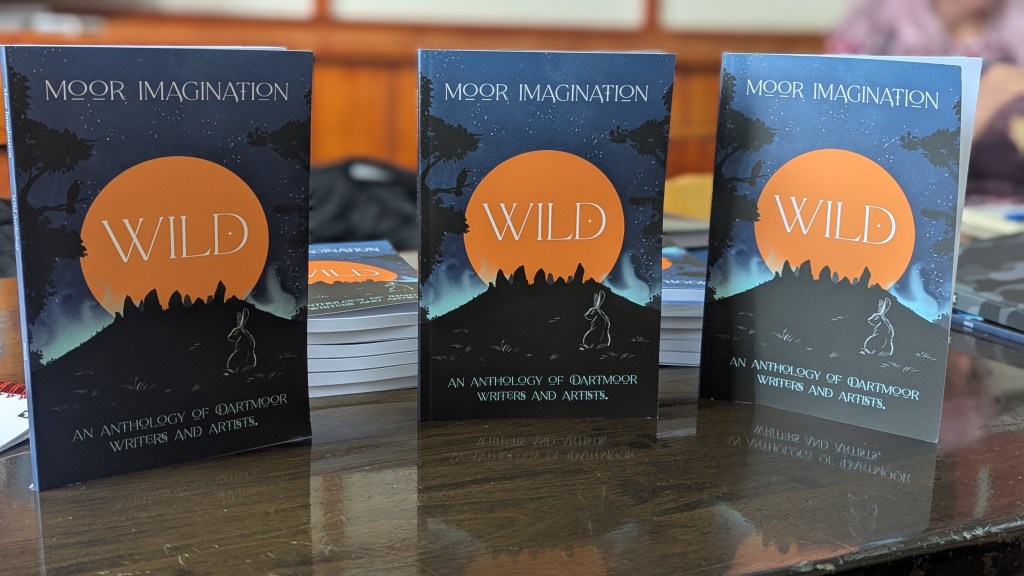
And what a final flourish: this month, we had our very first look at the Moor Imagination Anthology.

Yes, it’s real. It’s happening. And we can’t wait to share it with you.

First Look: The Moor Imagination Anthology

This weekend, we reached a milestone we’ve been dreaming about all year …. we opened up the first proof copies of our community anthology!

Cue gasps. Happy tears. Photos. And more than one person quietly stroking the cover, (it’s me, I was that person).

I’m so beyond proud of what we’ve made together, and I hope you are too. There’s still editing and refining to do, but the words are there, full of beauty, strangeness, and imagination.

Special thanks to the amazing Katherine Ellis for creating our stunning cover art. After several meetings to review designs and plans, we confirmed the final image, and I’m sure you will agree, it is beautiful. Kat’s illustration has brought the soul of this book to life, and we couldn’t be luckier to have her vision guiding the look and feel of our very first publication.

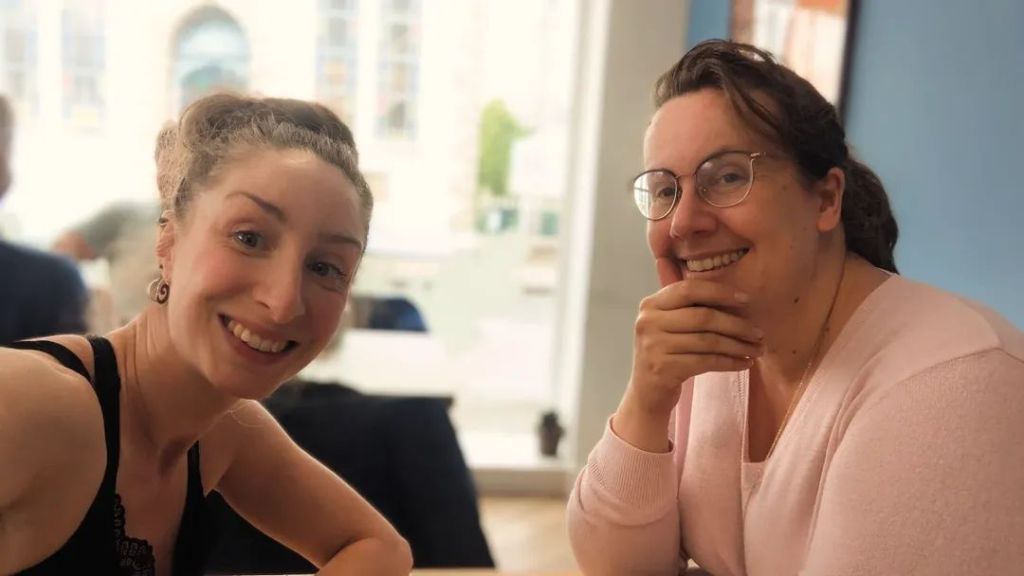
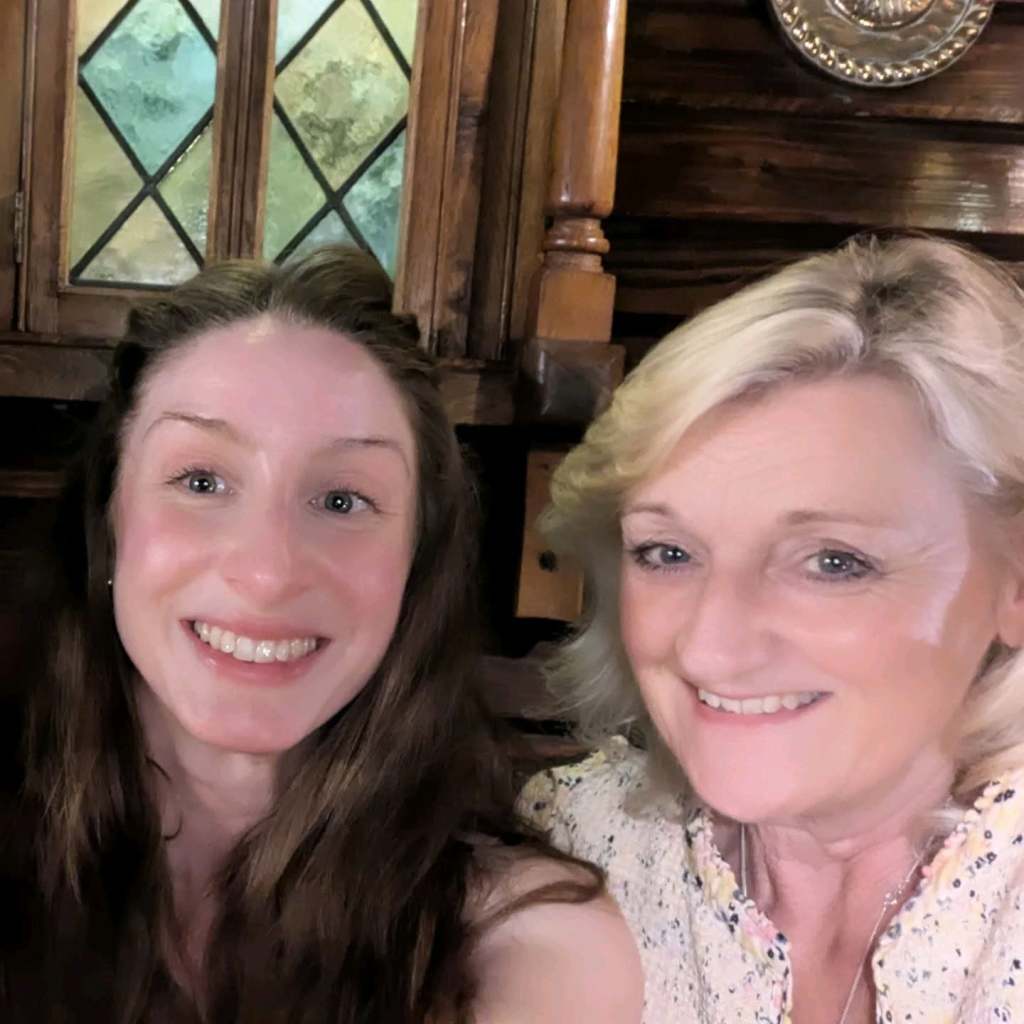
Our first design meeting …

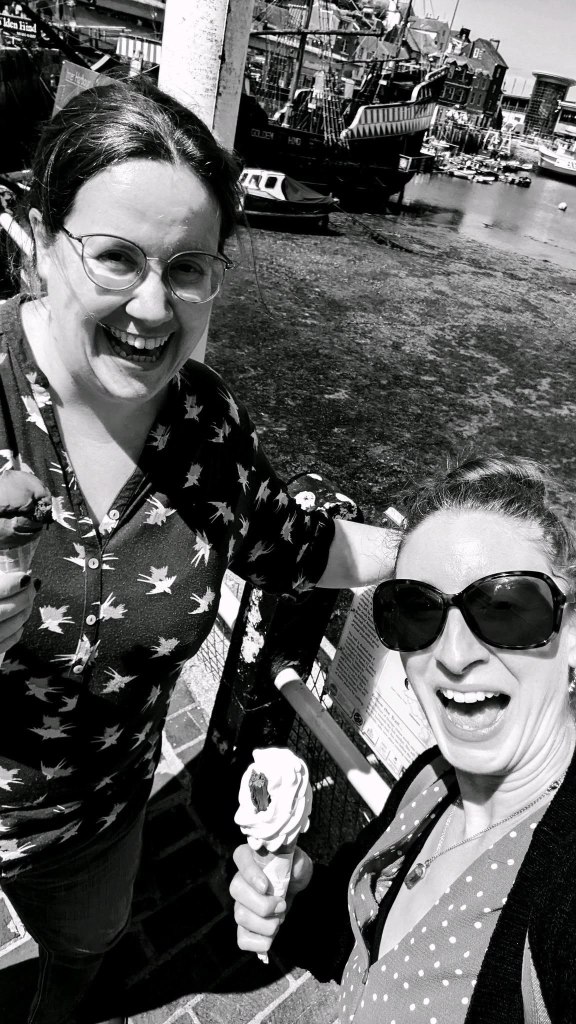
… Unless you count our ice cream day (all meetings should include ice cream).

Coming Soon in 2026…

We’ll be working behind the scenes in early 2026 to get the anthology ready for full release. All polished, printed, and placed into your hands.

To help make that happen, we’ll be launching a modest GoFundMe to support:

  • Printing and distribution
  • A local launch event
  • Getting the book into libraries, schools, and community spaces

If you’re able to donate or share the campaign when it goes live, we’d be incredibly grateful. Every little helps us bring these stories to more people and share the voices of our community more widely.

Keep your eyes peeled, we’ll be posting more details in January!

Creation, collaboration and coffee!

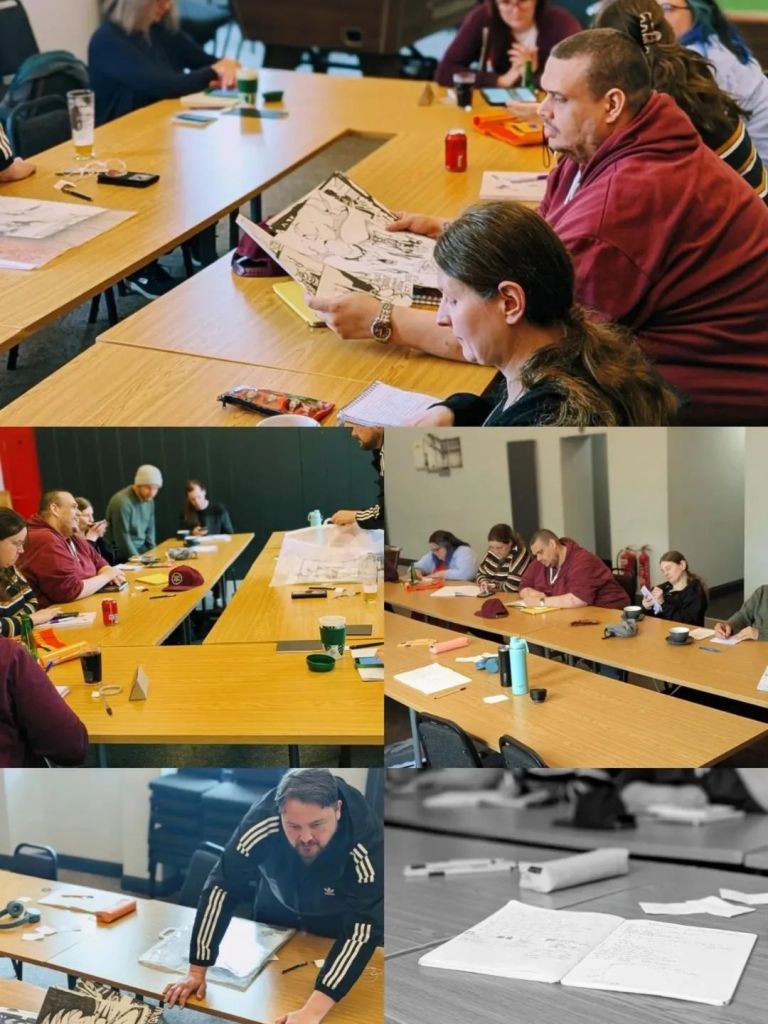
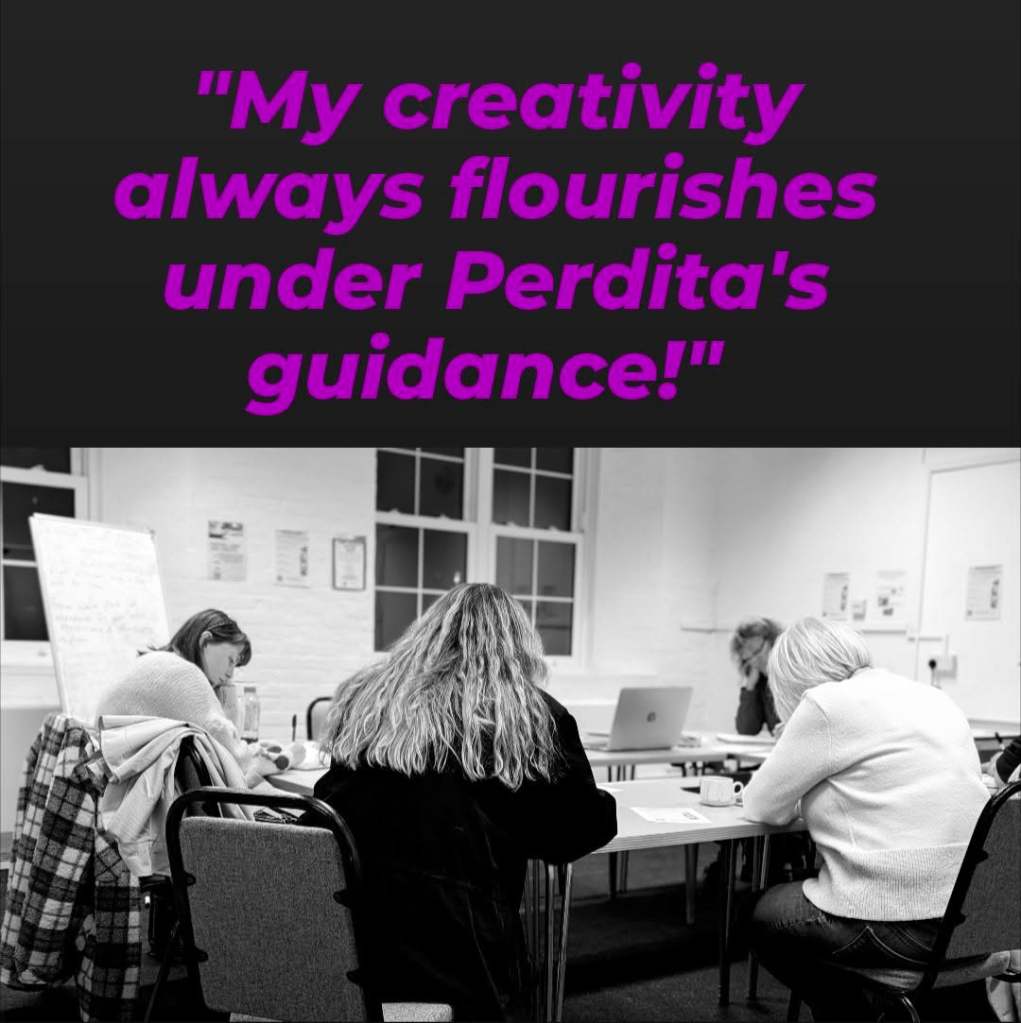
A year of workshops, socials, supportive groups and exciting projects!

A Year of Writing Together

Its been a gorgeous year as our group continues to grow in number, support and fun times shared together. Over the past twelve months, we’ve…

Held monthly writers’ groups full of warmth, wisdom, and biscuits …

Explored ghost stories, self-publishing,, poetry, rejection, procrastination and more

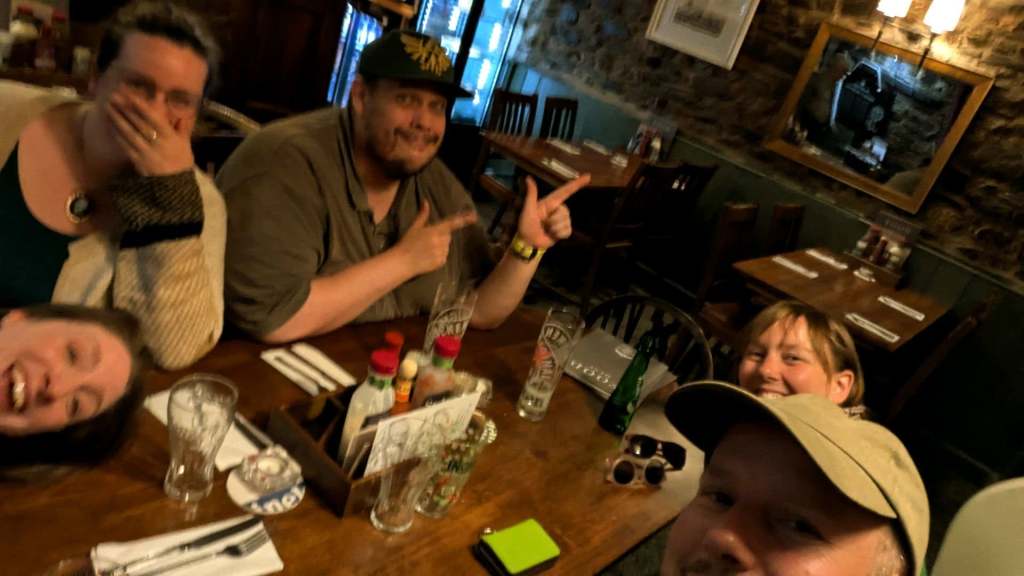
Hosted socials, writing sprints, and sharings (Note to self – get better at group selfies!)

Had big feelings, quiet breakthroughs, and so many shared moments of creative kinship

What’s Next?

We’ve got big plans brewing for 2026. Alongside the anthology launch, we’re planning:

More socials
More group outings (writers in the wild!)
More space to share your words
And new creative projects (some of which are already quietly growing…)

But for now, let’s rest, be proud of the work achieved so far and wrap up this chapter with a full heart, ready for what’s to come.
We did good this year. We kept writing. We dared to share. We rested when we needed to. And you weren’t alone. In this community, we have each other’s (paper) backs.

(And you thought I wouldn’t get a pun in 😎👀)

Poetry night

writing day by the sea

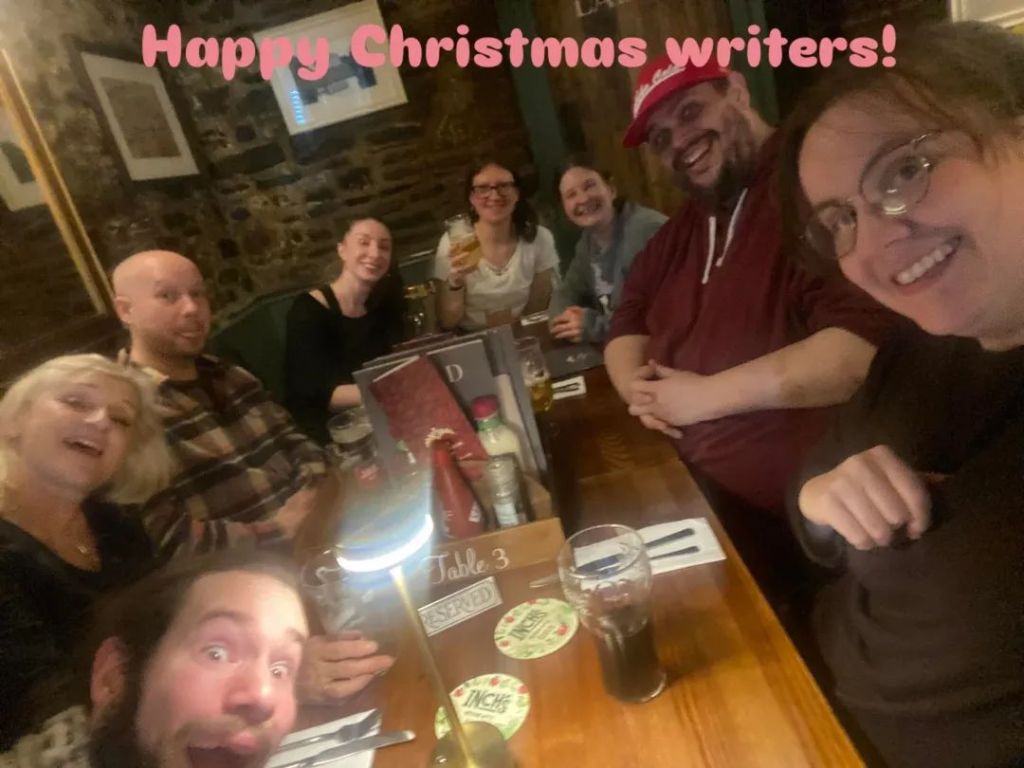
Christmas 2025 Social! Aaaaaand that’s a wrap! See you all in 2026 writers!

A good night to all, and to all, a good night!

Ghost Stories: Why They Still Haunt Us (and Why They’re So Much Fun to Write)

This month at Moor Imagination, we delved into the eerie, the unsettling, and the wonderfully spine-tingling world of ghost stories.

We talked about what makes a ghost story work, how to bend (or break) the rules of the genre, and the truth behind every good haunting –  that ghost stories are rarely just about ghosts.

Whether you’re writing something chilling, something silly, or something surprisingly sad, ghost stories hold a special kind of power. They tap into something deep, even if you don’t believe in them at all.

So, what makes a good ghost story? Lets gather round the campfire, and talk about one of the most compelling subjects in fiction – what lies beyond. 

What Is a Ghost Story, Really?

When we think “ghost story,” many of us picture old houses, flickering candles, and something going bump in the night. But ghosts come in many forms. They don’t always rattle chains sometimes, they’re a secret, a regret,  an unmet desire

At our writers’ group, we explored the idea that a ghost can be anything that makes your spine tingle or your hairs stand up. It might be a whisper in an empty room, a memory that won’t leave, a photo that shouldn’t exist… or a perfectly ordinary object that suddenly feels wrong

Humans love an adrenaline rush. I have a theory that most of us fall into one of two camps for this – you’re either team rollercoaster or team scary story … and I hate rollercoasters so, here we are! 

And the important thing to remember is, you don’t need to believe in ghosts to enjoy ghost stories or write a good one. You just need to know how to build tension, play with the senses, and give readers that delicious sense of unease.

What Makes a Ghost Story So Fun to Write?

There’s something oddly joyful about writing something creepy. Here’s why we love it:

1. It’s Suspenseful by Nature

Ghost stories give you permission to build slowly  to linger on atmosphere, to let the air feel thick and the silence stretch. It’s writing as mood-building, and that’s incredibly satisfying.

2. They Engage All the Senses

To write a ghost story well, you start noticing the creak of the floorboards, the musty smell of the air, the way shadows fall just slightly wrong. It’s a fantastic exercise in sensory writing  and your craft will thank you for it.

3. They’re Rarely Just About the Ghost

This was one of the most powerful points raised in our discussion: ghost stories are often about something else entirely.

Grief. Guilt. Memory. Regret. Longing.

The ghost is a literary tool, a symbol, a spark, a stand-in for the thing your character can’t quite name. And that’s why ghost stories can be unexpectedly moving, even in their most chilling moments.

Do Ghosts Always Have to Be Scary?

no.

(That’s it, end of blog, we can all go home now. )

Ghosts don’t have to be terrifying. They don’t even have to be the bad guy. Some of the best ghost stories turn the usual tropes on their heads:

  • A funny ghost who’s more confused than malevolent
  • A tragic ghost who’s trying to help
  • A quirky ghost that won’t leave the attic (because they’re embarrassed about how they died maybe?)

You can stretch the genre. You can play with tone. Ghost stories don’t all have to end with screams, some can end with laughter, or tears, or a quiet, unsettling hum that stays with the reader long after the final page.
Tips for Writing Your Own Ghost Story

If this month’s session has inspired you to write something ghostly, here are a few ideas to get you started:

  • Start with setting: Ghost stories live and die by their atmosphere. Where does your haunting take place? What does it feel like to be there? And how does the location influence the story?
  • Less is more: It can be easy to fall into melodrama but the more subtle the unease, the more the reader has to bring their own imagination. Tease, linger, suggest rather than jump scare them. Leave room for doubt, which is sometimes the most frightening aspect of all.
  • Use silence: What isn’t said is just as powerful as what is. How does silence feel? What does your character notice in those moments? What do they feel, sense or learn in the quiet of the night?
  • Think emotionally: What is your ghost for? What memory or message is it holding?Why is it there? Do you know what it wants?
  • Try flipping the mood: Challenge yourself to write a ghost story that’s funny, kind, or even comforting.
  • Write what creeps you out: If it unsettles you, chances are it will land with your reader, too.

Final Thoughts: The Ghost Is Never Just the Ghost

At the heart of every good ghost story is something more human , something real, raw, and relatable. The haunting is a metaphor, a message, or a mirror.

That’s why ghost stories endure. They speak to the parts of us that linger, the things we’ve left unsaid, or the feelings we thought we buried long ago.

So, whether you’re writing something to raise goosebumps or grins, let the ghost do its job, not just to scare, but to reveal.

Until next time, happy haunting, happy writing, and don’t forget to leave the light on…

Want to Share?

What’s your favourite ghost story? Are you a Woman in Black Fan or a Haunting of Hill House addict? Drop us a comment below or in our socials and let the ghost stories round the fire continue …

The Art of Avoiding Things

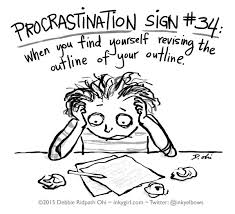
A Writer’s Guide to Procrastination (and How to Use It to Your Advantage)

Welcome, fellow writers  – and fellow world-class procrastinators.

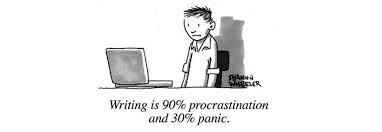
If you’ve ever stared at your writing project while suddenly remembering the hallway cupboard desperately needs reorganising, you’re not alone. In fact, this month at our Moor Imagination writers’ group, we had a wonderfully honest chat about procrastination  – why we do it, how to deal with it, and (perhaps most surprisingly) how it might actually be helping us.

So, in this post we’re going to gently unwrap the tangled, tea-stained knot that is procrastination.
We’ll look at why it happens, how to manage it, and how to sneakily turn it into something useful.

Spoiler …. you’re probably not lazy. You’re just thinking in disguise.

Why Do Writers Procrastinate?

Because we’re human. And writing  –  especially creative writing  – isn’t just a task, it’s an emotional leap. You’re making something from nothing. That’s no small feat.

Here are a few common reasons we delay the page:

  • Fear of getting it wrong (aka perfectionism in a clever hat)
  • Overwhelm (too many ideas or too high a bar)
  • Lack of routine or structure (floating from thing to thing)
  • Your brain buffering (yes, like a laptop loading — more on that below)
  • Sheer stubbornness (don’t tell me what to do, even when it’s me telling me)

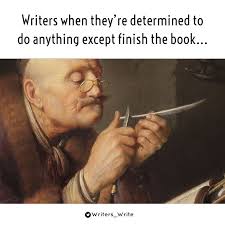
My own personal brand of procrastination? I do everything else. The garden gate is painted,  the sock drawer rearranged and the pencils sharpened and arranged by size –  just not the one thing I’m actually supposed to be doing.

The upside? I get loads done. Just… not that thing.

Practical Ways to Tackle Procrastination (Without Shouting at Yourself)

  • 1. Build a Routine (Even a Wobbly One) You don’t need a strict 6am writing schedule but it helps to give your writing a slot. Whether it’s half an hour after breakfast or 20 minutes before bed, putting it in your day gives it shape and stops it slipping through the cracks.
  • ☕ 2. Bribe Yourself (Kindly) Cup of tea? Favourite playlist? A square of chocolate? Writing is easier with a treat attached. It doesn’t have to be fancy –  just something to make the task feel a little softer around the edges.
  • 3. Do the Dreaded Thing First Start your writing session with the bit you least want to do. You’ll feel lighter afterwards, and the rest of your day will be brighter by comparison. (This tip is annoying. But it works.)
  • 4. Try a Quick Win First OR… (because we like options), do a super small, easy task to build momentum. It could be writing one sentence. Opening the doc. Naming a character. The brain loves a win –  even a tiny one. It tricks you into starting, and once you’re in, it’s easier to keep going. This is psychology, not witchcraft –  but it still feels like magic. (although, to be fair, that’s exactly what a witch would say ….)

When Procrastination Is Actually Helpful

Not all procrastination is bad. In fact, some of it is a clever little detour your brain takes to help you work things out.

1. Distance = Clarity

Stepping away gives you space. It stops you clinging too tightly to what you thought the story was and lets you return with fresher eyes and better perspective.

2. Brain Buffering

You might think you’re just staring out the window or reorganising your kitchen cupboard… but deep down, your brain is tinkering away. Plot holes are closing. Characters are arguing. You’re solving the problem  … just not out loud yet. (unless, like me, you talk out loud a lot when thinking, in which case yes, it is ALWAYS ALL OUT LOUD)*

3. Diversion = Breathing Room

Sometimes, doing something else lets your creativity stretch its legs. Taking a walk, baking a cake, pottering in the garden –  these diversions make space for new thoughts to bubble up.

So no, you might not be writing your novel/play/poem/story in that moment.
But you might be finding your way back to it.

In Summary: Work With It, Not Against It

Procrastination isn’t a failure. It’s not laziness. It’s usually your brain waving a little flag that says, “I need something! space, clarity, comfort, or courage.”

So instead of trying to banish procrastination completely, try to:

  • Understand why it’s showing up
  • Use small tricks to get going
  • Let the detours teach you something
  • And, when all else fails… start again tomorrow

The goal isn’t to be endlessly productive. The goal is to keep returning –  to your story, your page, your voice. Again and again.

And yes, you’re allowed to have a biscuit on the way there.

Want to Share Your Tips?

We’d love to hear from you!
What helps you get back to the page when procrastination strikes? What’s your signature avoidance strategy and does it secretly help?

Drop a comment, send us a message, or chat with us at the next Moor Imagination group.

Until then,  happy writing, happy wobbling, and remember: sometimes a tidy sock drawer is part of the creative process.

*Shout out to everyone who has to live with me. I’m so sorry.

Write, Click, Share: Exploring the Digital Paths to Self-Publishing

So far in our self-publishing series, we’ve explored everything from book covers to bookshops. But not all publishing happens between two covers anymore, in fact, a lot of it doesn’t even happen in print at all.

This month, we’re delving into online self-publishing platforms. The websites, newsletters, and digital spaces where writers are building audiences, sharing stories, and sometimes even making a bit of money.

And while there’s a lot to love about digital publishing, there are also a few things to watch out for, from content ownership to creative burnout.

So, here’s your guide to some of the most popular online self-publishing platforms, what they’re great for, and what you need to know before you click “publish.”

Substack

What is it?
Substack lets you write posts that go straight to readers’ inboxes. Think of it as a newsletter meets blog, with built-in payment options if you want to offer paid subscriptions.

Pros

  • You own your subscriber list .
  • You can publish on your own schedule
  • You can earn money through paid subscriptions (you set the price).
  • Clean interface that’s easy to use, even if you’re not techy.

Cons

  • Growth is slow unless you already have an audience.
  • The focus is on consistency so you need to be prepared to commit long-term.
  • You’re responsible for your own editing, formatting, and marketing.
  • Substack takes 10% of your paid income, and Stripe (the payment processor) takes another small cut.

Protect your work

Substack does not own your content, but you still need to back it up yourself, especially if you’re sharing original fiction. It’s worth adding a copyright line to each post, just in case.

Wattpad

What is it?
Wattpad is a platform for uploading fiction chapter-by-chapter, often while you’re still writing it. It has a huge global audience and strong communities in YA, romance, sci-fi, and fantasy.

Pros

  • Huge audience and reader interaction.
  • You can grow a fanbase from scratch, especially if you’re writing popular tropes or genres.
  • Great for testing ideas and building writing discipline.
  • Some stories get picked up by publishers or adapted for screen.

Cons

  • No upfront pay. It’s about exposure, not income (unless you’re in Wattpad’s paid programme, which is invite-only).
  • The algorithm often favours already-popular stories.
  • If you’re writing anything literary, niche, or experimental, it may struggle to find readers here.

Protect your work

Wattpad’s terms don’t take your rights, but once something’s public, it can be copied, even accidentally. Keep backups, consider watermarking longer content, and use a copyright notice.

Medium

What is it?
Medium is a clean, distraction-free writing platform for articles and essays. Writers can earn through the Partner Program based on how much time paying Medium members spend reading their posts.

Pros

  • Smart design! Your words look instantly polished and extra fancy.
  • Medium’s algorithm and tags can help readers find your work.
  • Partner Program offers potential income (based on “member reading time”).

Cons

  • Earnings can be very low unless your posts go semi-viral.
  • Medium can change its algorithm or payment model at any time.
  • You don’t own the mailing list, it’s Medium’s audience, not yours.

Protect your work

Medium allows you to retain all rights, but again, it’s wise to cross-post carefully. If you want to reuse content elsewhere (e.g. on Substack), wait a few days or reword it slightly.

Archive of Our Own (AO3)

What is it?
AO3 is a nonprofit, volunteer-run archive for fanfiction. It’s a beloved space for fan writing and has some of the best user protections available.

Pros

  • Built by and for writers, no ads, no paywalls, no algorithms.
  • Strong emphasis on freedom of expression and user control.
  • You can tag your work in minute detail so the right readers find it.
  • Excellent protections for non-commercial, transformative works.

Cons

  • Only for fanfiction (not original fiction).
  • No payment, this is purely for community and joy.
  • You’ll need to request an invite to join.

Protect your work

AO3 respects your rights, but always be aware that posting work publicly is still publishing, even if it’s not for profit. If you later want to adapt a fanfic into something original, make sure you haven’t locked yourself into something you can’t legally sell.

Ko-fi

What is it?
Ko-fi (as in “buy me a coffee”) is a platform where fans can support your work through one-off donations or subscriptions. You can also post blog-style updates, digital downloads, and shop items.

Pros

  • Simple setup, no fees taken from one-off tips (unless you’re using Ko-fi Gold).
  • You can post blog content, offer downloads, or sell digital goods (like short stories or zines).
  • Great for visual creators too (illustrators, poets, zine-makers).

Cons

  • Discoverability (is that a word??) is low. People won’t just stumble on your page.
  • Works best if you already have a small fanbase or social media presence.
  • To access some features, you’ll need to upgrade to Ko-fi Gold (£6/month).

Protect your work

Make sure you clearly state your copyright and set boundaries for how your content can be used especially if you’re offering downloads or early access material.

Patreon

What is it?
Patreon is a membership platform where fans pay monthly to access exclusive content. Think behind-the-scenes posts, sneak peeks, bonus chapters, or early access.

Pros

  • Reliable monthly income if you build a base of loyal readers.
  • Excellent for building a “writing ecosystem” with different tiers.
  • Strong sense of community and you can reward fans in creative ways.

Cons

  • Very hard to grow without existing followers.
  • Requires constant content .
  • Patreon takes a percentage of your earnings (5–12%, depending on your plan).

Protect your work

As with Ko-fi, always include copyright info, and consider whether you’re happy for paying members to reshare your content (or not). You can watermark files, limit downloads, or post in parts.

So Which One Is Right for You?

Well, that’s up to you, and what you need as a writer. One of the best ways to work that out is to first explore these sites as a reader. Pootle around the online thoroughfares and get a sense for each platform. If you enjoy interacting with it as a reader, that’s a good indicator you’ll enjoy it as a writer. Similarly, if you hate using the site, then it’s probably for you. It can be a bit like the wild west out there, so take it slow and get to know the lay of the land before you upload your work to an unknown platform. Stay safe, be brave and, most importantly, have fun!

Tips for Getting Your Book into Bookshops

What Self-Publishing Looks Like from Behind the Bookshop Counter

A conversation with Kayleigh White from Book Stop, Tavistock & Okehampton Library

Welcome back to our self-publishing series, a subject that has clearly captured the curiosity (and creativity!) of the Moor Imagination community. From formatting to publishing routes, your questions and enthusiasm have turned this into an ongoing exploration – and we love it.

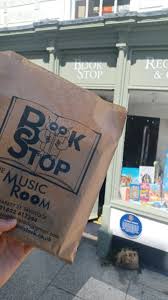
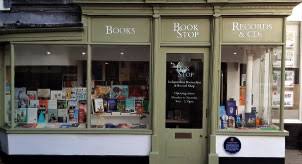
This month, we’re thrilled to hear from one of our very own: Kayleigh White, a writer, bookseller at Book Stop in Tavistock (a true gem of a bookshop), and part of the team at the equally brilliant Okehampton Library.

With her unique perspective working both behind the till and among the library shelves, Kayleigh kindly sat down with us to share her experience of how self-published books are received and what authors can do to give their work the best chance of success.

First Impressions Matter

(Yes, we judge books by their covers)

Q: Kayleigh, let’s start with the basics  – what’s the first thing a bookseller notices about a self-published book?

Kayleigh: The cover. Always. I know it sounds like a cliché, but people absolutely do judge books by their covers – especially when browsing in a shop. Your book is going to sit on a shelf next to professionally published titles with high-quality design and branding. To stand a chance, your book has to look just as polished.

For example, a blank spine –  that’s something we see quite often with self-published titles. If the book is too thin to have anything printed on the spine or the author simply hasn’t added it, it ends up looking like a white block on the shelf. Customers are far less likely to pick that up.

Q: Any design trends you’d recommend authors look into?

Kayleigh: Definitely. Take a look at covers that are currently on display in shops. What colours are being used? What fonts? At the moment, bright, bold, and contemporary covers are doing well. Books with photographs of people on the cover have become a bit dated, so it’s good to be aware of that shift. Holly Ovenden is a great designer to research – her covers are eye-catching, modern, and beautifully balanced. And finally, stick to standard sizes. Books that are too large or awkwardly shaped just don’t fit well on shop shelves, and they often end up in a less visible spot, not because we’re hiding them, but simply because we don’t have the space.

So You Want to See Your Book in a Bookshop?

Q: What advice would you give to a self-published author who wants to approach a bookshop?

Kayleigh: Start with an email – always. Don’t walk in unannounced with a pile of books in your arms. We get approached a lot, and while we’re happy to support local writers, it really helps if we’ve had a bit of warning.

In your email, include all the important info: the book title, ISBN, RRP, a short blurb, where it’s available from for example, Gardners is great (more on that in a second), and why you think it might appeal to that particular shop.

If we’re interested, we’ll often agree to take a few copies on a sale-or-return basis. That means we’ll try to sell them, and if they don’t shift within a certain time, we’ll ask you to collect them.

Q: You mentioned Gardners  – why does that matter?

Kayleigh: Gardners is the main wholesaler used by independent UK bookshops. If your book is listed with them, it’s so much easier for us to order it in. We don’t have to chase the author or set up special arrangements. If your book is only printed via Amazon, for example, we often won’t stock it, simply because Amazon is a direct competitor and it makes the process difficult.

Q: And what are some approaches that don’t go down well?

Kayleigh: Oh, where to begin!
We’ve had people:

  • Ask for a book we don’t stock, then reveal it’s their own, and ask us to sell it.
  • Try to pitch their book in mid-December with a long queue behind them  – Christmas chaos is not the moment for book promotion!
  • Leave a pile of books on the counter without permission. Please don’t do that. It’s awkward, and we can’t sell a book just because someone left it behind.

Instead, be polite, be professional, and give us the chance to consider your book properly. There’s also a fantastic guide put together by the Booksellers Association:
👉 Getting Your Book into a High Street Bookshop  (PDF)
We share this with every self-published author who contacts us, and it’s full of useful advice

What About Libraries?

Q: What should authors know about getting their book into a library?

Kayleigh: It’s a bit different from bookshops. In Devon and Torbay, library stock is decided centrally by a team called the Stock Services Team. You can contact them directly to suggest your book, but they’ll usually only buy one or two copies –  and those would be shared among the 50+ libraries in the region.

That said, if an author donates a copy to their local library, we can usually add it to the shelves –  especially if it has local interest or relevance to the community.

Q: Can authors launch their book at the library?

Kayleigh: Not usually. We get a lot of requests for launches, and unfortunately, we just don’t have the staff time or resources to host events for every author. But we do offer room hire in many libraries. At Okehampton, for example, there’s a meeting room upstairs, and Exeter Library has an exhibition space that can be hired. Each library is different, so it’s worth asking what’s available in your area. It can make a great, low-cost venue for a launch!

The Local Advantage

Q: Final question  – does being local help?

Kayleigh: Hugely! If your book is set in or inspired by the local area, or if you’re a local author writing about something relevant to the community, we’re far more likely to consider it. A book about Edinburgh Castle won’t fly off the shelves in Tavistock –  but a story set on Dartmoor? Absolutely.

So play that card proudly –  your location might be your biggest asset.

In Summary: Be Professional, Be Prepared, Be Polite

Choose Your Publishing Adventure: Self-Publishing Paths (and Pitfalls) Explained

Due to popular demand (and because I love a good storytelling quest), we’re back on the self-publishing magic carpet ride! Last time, we looked at the big picture of publishing your own book , what it takes, why it matters, and how to avoid the most common traps.

This time, we’re diving deeper into the different types and options of self-publishing: the lone wolf route, the helpful hand, the shared journey, and the very shiny trap to avoid. Each one has its own rewards, risks, and quirks, and knowing which is right for you can make all the difference.

So sharpen your quill, pack a few snacks, and let’s explore the winding paths of self-publishing together… (yes, I will be talking like this the whole way. Nothing will stop me!)

DIY Self-Publishing (The Lone Adventurer Route)

This is the classic path most people imagine when they hear “self-publishing” you do it all yourself.
You write the book, format the manuscript, upload it to a publishing platform, and bravely press “publish.” Voilà! Your book is out in the world!

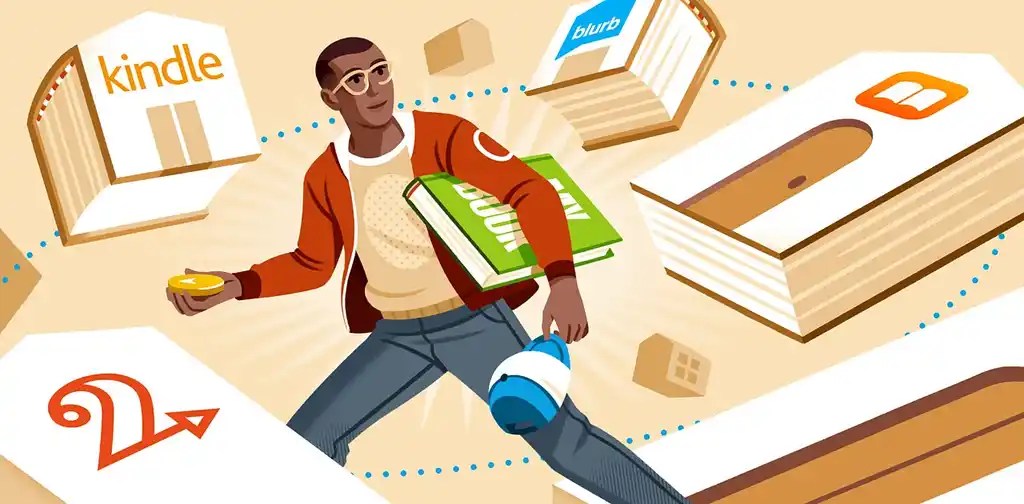
Popular platforms include:

  • Amazon Kindle Direct Publishing (KDP)
  • IngramSpark
  • Draft2Digital
  • Kobo Writing Life
  • Barnes & Noble Press

Pros:

  • You keep full creative control (and most of the royalties).
  • You decide on the cover, the price, and the release date.
  • It’s quick. your book could be on sale in a matter of days.

Cons:

  • You’re responsible for everything, from editing to cover design to marketing (and making your own tea).
  • It’s easy to make mistakes if you’re new to the process.
  • Without a marketing plan, it can feel like you’re shouting into the void.

Be wary of:
Rushing it. A poorly edited or badly formatted book can ruin your chances of being taken seriously. Take your time. Invest in the right people. Your future readers will thank you.

Assisted Self-Publishing (The Helpful Elf Option)

This option is like having a wise old guide join your quest. You still pay to publish your book, but you get professional help along the way. Companies either bundle services together or connect you with freelancers.

Popular companies include:

  • Reedsy (connects you with editors, designers, marketers, etc.)
  • BookBaby
  • Matador (UK-based)
  • Troubador

Pros:

  • Saves you time, stress, and spreadsheet-related breakdowns.
  • You get professional support with design, formatting, and production.
  • You keep creative control and full rights to your work.

Cons:

  • It can be pricey, after all, quality services cost money.
  • Some service packages include extras you don’t need.
  • Not every provider is trustworthy, so research is key.

Be wary of:
Big promises. If a company guarantees fame and fortune in exchange for a bigger payment, back away slowly. Good services make good books, they don’t make bold guarantees.

Hybrid Publishing (The Halfway House Approach)

Hybrid publishing is a blend of traditional and self-publishing. There’s usually a submissions process, some editorial standards, and a team to help you with marketing and distribution. But you share the cost  and often, the profits too.

Think of it like co-piloting a horse and cart: you steer part of the way, they steer the rest.

Popular hybrid publishers include:

  • She Writes Press
  • Unbound (crowdfunding-based hybrid publisher)

Pros:

  • You get professional production, support, and reach.
  • Hybrids usually have reputations to protect, so the quality is high.
  • You may have access to awards and bookshops that typical self-publishing doesn’t offer.

Cons:

  • It’s more expensive than DIY.
  • You share royalties, often 50/50.
  • Some “hybrids” are just vanity presses in disguise.

Be wary of:
Contracts. Always read the fine print. Legitimate hybrid publishers are upfront about costs, rights, and royalties. If they get vague or defensive? That’s a red flag the size of a dragon.

Vanity Presses (The Shiny Trap You Should Dodge)

This one? Avoid. Run. Hide your purse.
Vanity presses look tempting. They flatter you, saying your book is amazing. They offer to do everything for you. But they charge thousands for low-quality results and you’ll likely never earn that money back.
Common (and often warned about) names include:

Author Solutions (and all their rebrands)

Austin Macauley (frequently flagged in UK writing circles)

Pros:
Your book gets printed. Technically.

They do all the work (badly).

Cons:
Huge costs for poor production.

Zero transparency.

Almost no marketing support.

It’s near impossible to get your money back.

Be wary of:
Anyone who says “we love your book!” and then immediately asks for payment.
Real publishers pay you. Reputable services show you the value they offer. Vanity presses flatter first, fleece later.

Final Thoughts: Choose Wisely, Brave Writer

Self-publishing is an exciting and empowering path but like any quest, it’s full of different roads, secret passageways, and the occasional glitter-covered trap.

Whichever path you take, do your research, ask questions, and remember that the goal isn’t just to publish your book it’s to create something readers want to read and that you can be proud of too.

Whether you ride solo, team up with a guide, or share the journey with a hybrid partner, make sure your story is given the best chance to shine. And snacks. Bring plenty of snacks

And if in doubt? Ask a fellow traveller. Or, you know, a blog post, (soooo subtle, I know!)

Want to Dig Deeper?

Self-publishing is full of twists and turns and we’ve only just begun!
If you’d like to explore more about how to get an ISBN, how to spot a scam, or how to get your book into libraries and bookshops, leave a comment below or find us on social media. We’d love to feature your questions in a future blog.
Until then  keep writing, keep dreaming, and may your spellcheck always be switched on

Self-Publishing Explained: The Pros, Cons and Pitfalls Every Writer Should Know

When I was little, I used to love those Choose Your Own Adventure books. You know the ones: if you want to open the haunted wardrobe, turn to page 42. If you want to run away screaming, turn to page 7.

Well, it turns out publishing your own writing feels a bit like that too.

There is no longer just one choice of road leading to a publishing deal with a traditional publisher. These days, there are whole maps of choices laid out in front of you – self-publishing, hybrid publishing, small presses, online platforms – all with their own exciting twists, turns, and occasional dragons.

This month, I want to gently take you by the hand, show you a few paths, and help you choose the right one for you. Spoiler: there’s no “wrong” way.

What is Self-Publishing?

Self-publishing is exactly what it says on the tin. You write the book, and then instead of sending it off to agents or publishers hoping for a yes, you become the publisher.

You’re in charge of everything: editing, design, printing, marketing, sales – the whole shebang.

It can be wonderful. It can also be exhausting. (Sometimes both on the same day.)

Famous self-publishing success stories include The Martian by Andy Weir and Still Alice by Lisa Genova – proof that doing it yourself can lead all the way to bestseller lists and even Hollywood..

But most self-published writers are not overnight sensations. They are people who believe so much in their work that they decided to take the leap and back themselves. That’s brave. That’s brilliant.

What Does It Involve?

Here’s the quick version of the steps you might take if you choose to self-publish:

  1. Editing: Hiring a professional editor to polish your words (I highly recommend this, everyone can benefit from an outside eye).
  2. Cover design and layout: You want your book to look good both outside and inside.
  3. ISBN and publishing platform: You’ll need an ISBN number if you want your book sold in shops. Amazon’s Kindle Direct Publishing (KDP), IngramSpark, and Draft2Digital are popular platforms.
  4. Marketing: This can mean anything from setting up an author website to dancing on TikTok to convince strangers to read your poetry.
  5. Sales and Distribution: Getting your book into readers’ hands – whether that’s eBooks, paperbacks, or audiobooks.

It sounds like a lot because, well, it is a lot. But the good news is, you don’t have to do everything all at once, and you don’t have to do it all alone either. There are freelancers, companies, and brilliant tools out there to help you at every step.

Other Routes: Hybrid Publishing and Small Presses

Self-publishing isn’t the only alternative. There are a few other paths you might want to peek down:

  • Hybrid publishing: A halfway house between traditional and self-publishing. You usually pay something towards the production, but the company handles editing, design, and distribution. Be careful though – good hybrids are brilliant; bad ones are sharks. Always check reviews and contracts carefully.
  • Small presses: These are traditional publishers, but they are smaller and often more niche. They might focus on poetry, experimental writing, or regional stories. They usually accept direct submissions without needing an agent, which can be a refreshing change!

Online serial platforms: If you love the idea of publishing chapter by chapter and building an audience as you go, websites like Wattpad or Substack might be your perfect match.

Why People Choose Self-Publishing

  • Creative control: Your book, your way. Nobody is going to tell you to change the ending.
  • Speed: Traditional publishing can take years. You can have your book out in months if you self-publish.
  • Bigger royalties: You keep a higher percentage of each sale.

Building your audience: Especially great if you already have followers, or if your book speaks to a niche market.

Why People Might Think Twice

  • It’s hard work: You are the writer, the publisher, the marketing department, and customer service, all rolled into one.
  • Costs: Editing, cover design, marketing – it can add up. A professional-looking book is an investment.
  • Credibility hurdles: Some readers (and awards) still treat self-published books with a bit of side-eye. This is changing, but slowly.
  • Marketing is non-stop: Writing the book is only half the journey; getting people to find it is a whole other quest.

Final Thoughts: Picking Your Perfect Path

Choosing how to publish your book is a bit like picking your weapon in an RPG game: sword, bow, magic staff? There’s no one “right” choice — only the right choice for you.

If you love full control (and a bit of chaos), DIY self-publishing might be your thing.
If you want help but still want to stay captain of your ship, assisted self-publishing could be your best bet.
If you’re looking for a guiding hand and don’t mind sharing costs, hybrid publishing might be your golden path.

Whatever you choose, do your homework, keep your wits sharp, and remember:
You are already a warrior of words, and your story deserves to be told.

 Self-publishing is a big topic, and there’s much more to explore than we could fit into one blog post.

If you’d like us to dive deeper into the different self-publishing routes, just leave a comment below or get in touch with us on social media — we’d love to hear from you!

We can tackle your questions (and a few publishing dragons) in next month’s blog.

Spotlight on a Moor Imagination Writer: Robin Catling

At Moor Imagination, we take great pride in celebrating the talented and passionate writers who make up our creative community. Each member brings their own unique voice and vision to the group, and this month we’re delighted to feature Robin Catling in our Writer Spotlight.

Robin recently marked a major milestone with the publication of their latest work—a brilliant achievement that we’re excited to share and support. In this interview, Robin opens up about their inspirations, creative process, and the journey of bringing words from page to publication.

We hope you enjoy this insight into one of our brilliant community voices—and perhaps feel a spark of motivation for your own writing journey, too.

1.Congratulations on your recent publication! Can you tell us a bit about your work and what inspired you to write it?

“All the stories in the Escarri series are action-adventures in a fantasy setting – without elves, fae or dragons. My protagonists fight for survival against seers, swordsmen, mages and an entire empire in the aftermath of a brutal civil war. While I love Arthurian legend, Greek myths, Tolkien and sweeping historical epics, my rebel outcasts belong more to Westerns and Samurai tales. With me, it’s always going to be duels, the moral struggle, and life-and-death stakes.”

2.Bringing a piece of writing out into the world is a big milestone—what has been the most surprising or rewarding part of that experience for you?

“More than seeing it through to the finish, I held myself accountable for the quality of the story-telling. I could have rushed to publication sooner, but a wiser inner voice said to keep refining each story until the whole series was ready.”

3.We’re delighted to have you as a member of our group! How are you enjoying the Moor Imagination community so far?

“It’s a very welcoming and supportive group, and I’m so impressed with the level of talent… I think I need to up my game.”

4.Can you describe your typical writing process? Are you a meticulous planner, a spontaneous scribbler, or something in between?

“For me, it always begins with character; a relatable, compelling protagonist I want to discover more about. As for plot, I realised a while ago there are no new plots, only new twists. My thin outlines begin with the ending, where the characters finish their story arcs. I flip that to find their beginning state of wants, needs and misbeliefs. The middle is my playground where I discovery-write around a few key scenes and story beats.”

5.Are there particular themes, voices, or settings you find yourself returning to in your work? If so, why do they speak to you?

“All my protagonists battle their own moral failings as much as they fight the bad guys. What makes a person good, kind, just? Can we justify immoral acts and decisions in the name of justice and a greater good? Are we condemned to become the corrupt power we oppose? And how far will we go in the name of loyalty, friendship and family?”

6.What do you find most challenging about writing—and how do you push through those moments?

“Editing is hard, but necessary. Editing is where the story comes alive, where the character arcs make sense and where my terrible prose turns into something readable. All I can do is take it one scene at a time and keep going.”

7.Have there been any writers, books, or other forms of storytelling that have particularly inspired or influenced your work?

“I soak up story-telling craft from all kinds of fiction; I’ll most likely cite Austen’s Pride and Prejudice or Emma for plot and character, Kurt Vonnegut for big themes, Robert Louis Stevenson and Alexander Dumas for adventure, and Giovani Guareschi (the Don Camillo stories) for warm, moral fables.”

8.What advice would you give to fellow writers who are working toward finishing or publishing their own pieces?

“Keep going, don’t stop, even when life gets in the way. I started down this road more than twenty-five years ago, I just had to find the right path and stay on it.”

9.What’s next for you creatively—are you working on anything new, or are there more stories waiting to be told?

“Book six (a NaNoWriMo 2023 project) is mostly done, so now I’m into books four and five with the same setting, a new protagonist, and a new, found-family of supporting characters.”

10.And finally, just for fun—if you could have tea or coffee with any writer (living or not), who would it be and what would you ask them?

“Mark Twain; just prompt him with any of my idiot questions, then sit and listen to the wit and wisdom that always seemed effortlessly to flow.”

About Robin Catling

Robin Catling’s diverse career included twenty years in corporate IT (a huge mistake), several years in the film and TV industry, recruitment and managing a sports charity.

More than thirty years of sports coaching in fencing, archery, gymnastics and trampolining provide a through-line as an educator and communicator.

Non-fiction credits since 2020 include both fencing and IT books, guides and coaching manuals.

Robin Catling made the switch to fantasy fiction in 2025, with the first four books in the Escarri series.

The Escarri series is available in paperback and ebook on Amazon:

https://www.amazon.co.uk/s?k=robin+catling+escarri&ref=nb_sb_noss

and on wider distribution later in the year. Audiobook versions are in the works.

Thank you, Robin, for sharing your story and creative insights with us. It’s a joy to celebrate the work of writers within the Moor Imagination community, and we hope Robin’s journey has inspired you—whether you’re already putting pen to paper or just beginning to explore the idea.

If you’re curious about joining our vibrant community of writers, we’d love to welcome you. Visit our Events Page to learn more about our sessions, connect with us on social media, and don’t forget to sign up for our monthly newsletter to stay up to date with all our latest news, events, and creative opportunities.

There’s always a space for your imagination at Moor Imagination.

Songwriting as a Storytelling Medium

There are so many different mediums to write creatively in—short stories, novels, flash fiction, comics, novellas—the list goes on and on. But there’s one particular medium that seems to make many of us feel quite vulnerable.

Songwriting.

Whenever I bring up songwriting as a form of creative storytelling, I tend to get one of two reactions—delight or abject fear. And I get it. There is something incredibly personal, exposing, and ultimately vulnerable about writing lyrics, especially if you are writing something deeply personal and, even more terrifying, if you go on to sing those words yourself. No wonder writers often shy away from lyrics—but do we need to?

Ballads are considered one of the earliest forms of storytelling, often depicting folktales, legends, politics, and real-life historical events. Storytelling through song was, and still is, a popular, memorable, and influential way to pass words on to large groups of people, who will then pass it on even further.

There’s a magic that comes with music (as Sir Terry Pratchett said, “Magic and music had a lot in common. They were only two letters apart, for one thing.”). All of us have a natural rhythm in our bodies—we all have a heartbeat—and everything, whether we consciously realize it or not, either matches, slows down, or speeds up this rhythm. And you know, as a writer, when the rhythm in your writing is off. Words have a musicality to them. So all of us, no matter how tone-deaf we believe ourselves to be, have a natural music within us.

And lyrics have a shape—songwriting has patterns and structures. You know there’s going to be a verse, a chorus. You know that you need to pick your words carefully because every single word counts if you want to get your story across properly, and not end up with a song that takes two months to sing. Your words really have to matter—and sometimes it’s nice to be reminded of that.

If the idea of performing in public just made your sphincter tighten  – its OK, you don’t have to sing! You don’t even have to play music. Plenty of writing duos and groups share the creative process, each focusing on the part they personally excel at. Sir Elton John and his writing partner Bernie Taupin famously create together, with Bernie writing the lyrics and Elton composing the music and performing.

Many novels include ballads and song lyrics as a form of storytelling—pushing the narrative forward or expanding on backstory by having a character sing an ancient ballad around the campfire or come across a strange incantation. It can be an effective way of bypassing exposition.

So if songwriting or ballads are something you’ve not explored as a creative writer, it could be a fun way to expand your imaginative storytelling process. No creative medium should feel shut off to you. We are all creatures with a heartbeat, a rhythm, and a story to tell. One of the best things about being creative is that we get to experiment and play—and it doesn’t have to be perfect.

So why not explore the beautiful world of songwriting in your next creative piece? Or just stick to mouthing Happy Birthday at awkward office parties. Both are valid responses.

Top UK Literary Festivals to Attend in 2025

(And why you should attend them this year!)

Listen up, writers, readers, and lovers of words—this is your sign to grab your planners, set your reminders, and start manifesting some literary magic. The UK is packed with book festivals, writing events, and book fairs this year, and if you’re serious about your craft, your creativity, or just being in a room full of people who also get way too excited about the smell of new books—then you need to be there.

Because here’s the thing: great writers don’t just sit at their desks. They show up. They step into spaces where creativity is buzzing. They learn from the best. They network. They get inspired. And they walk away with new ideas, new friends, and maybe even new opportunities. So, let’s get into it.

Why You Need to Be at a Literary Festival This Year

  • Because Inspiration is Contagious. Listen to the authors who have been where you are. Sit in on the workshops that will make you see your writing in a whole new way. Let the words wash over you and refill your creative well.
  • Because Networking Isn’t Just for Business Bros. Writing might be a solo act, but publishing? That’s a team sport. You never know who you’ll meet—agents, editors, fellow writers, your next critique partner. The person sitting next to you in a panel could change the course of your writing career.
  • Because You Deserve a Getaway That’s Actually About You. Forget the boring conferences and work trips. This is a trip for your soul. A weekend (or week!) dedicated to books, stories, and people who love them just as much as you do.
  • Because Volunteering Can Get You a Front Row Seat. Many of these festivals offer volunteer positions—meaning you get to be part of the action while saving some cash. You’re helping bring stories to life and getting a backstage pass to the literary world. Win-win.

UK-Wide Literary Festivals & Book Fairs

  • 📍 Oxford Literary Festival (March 29 – April 6, 2025) – Big names, big ideas, and a dreamy setting. Classic. Intellectual. Everything you imagine an Oxford-based event to be. (More info)
  • 📍 Budleigh Salterton Literary Festival (March 7–8 & September 17–21, 2025) – Small town, big heart. This coastal gem of a festival is all about community, craft, and conversation. (More info)
  • 📍 Bournemouth Writing Festival (April 25–27, 2025) – New kid on the block, but already a must-attend. Perfect for writers looking to hone their skills and get inspired. (More info)
  • 📍 Hay Festival (May 22 – June 1, 2025) – The legendary “Woodstock of the Mind.” If you’ve never been, just go. Trust me. (More info)
  • 📍 Bradford Literature Festival (June 27 – July 6, 2025) – The most diverse, vibrant, and thought-provoking festival on the list. Books, music, theatre, ideas—this one has everything. (More info)
  • 📍 Cheltenham Literature Festival (October 10–19, 2025) – The OG of literary festivals. Established, respected, and full of heavyweight authors sharing wisdom. (More info)
  • The Brighton Fringe Festival May 2nd – June 1st 2025
  • The Edinburgh Fringe Festival August  
  • London Festival of  Writing  28-29 JUNE 2025
  • The London Book Fair 11 – 13 March 2025 at Olympia London
  • New Writing North online resources 

Spotlight on the South West

Here at Moor Imagination, we’re lucky to call Dartmoor home—a place that’s wild, windswept, and brimming with creative energy. There’s something about the South West that makes it a haven for writers, dreamers, and storytellers. Maybe it’s the rolling moors, the rugged coastline, or the deep history woven into every village and valley. Whatever it is, one thing is certain: this region is bursting with literary talent, and we’re proud to celebrate it.

The South West isn’t just a pretty backdrop—it’s a creative powerhouse. And with so many incredible festivals happening right here, you don’t have to go far to immerse yourself in the literary world. Whether you want to attend a book signing, join a workshop, or just soak up the inspiration of being surrounded by other book lovers, the South West has you covered.

So, don’t just dream about literary adventures—start right here. There are amazing festivals happening on our doorstep. Make the most of the incredible resources around you, meet local authors, and take part in the thriving creative community.

🌊 Budleigh Salterton Literary Festival – A coastal gem of a festival, offering two editions this year (March & September). Expect big-name authors, intimate discussions, and a creative atmosphere that’s as refreshing as the sea air. (More info)

🌊 Bournemouth Writing Festival – A must for writers looking to level up. Whether you’re working on your first novel or your fifteenth, this festival is packed with practical tips, expert insights, and a whole lot of motivation. (More info)

Plan Ahead, Book Your Tickets, and Get Ready to Soak It All In

These festivals fill up fast. Early bird tickets? Gone in a flash. Author events? Sold out before you even finish your morning coffee. So don’t wait—start planning now.

And if money’s tight? Check out the volunteer opportunities. You get to be part of the action and save your pennies.

Writing is about more than just putting words on a page—it’s about stepping into the world of stories, surrounding yourself with people who get it, and giving yourself the space to dream bigger, write better, and fall in love with words all over again.

So pick a festival (or two). Book your tickets. Pack your notebook. And go make 2025 the year you finally say: Yes. I am a writer.

See you there. 💥📖