One Year On From 100 Rejections

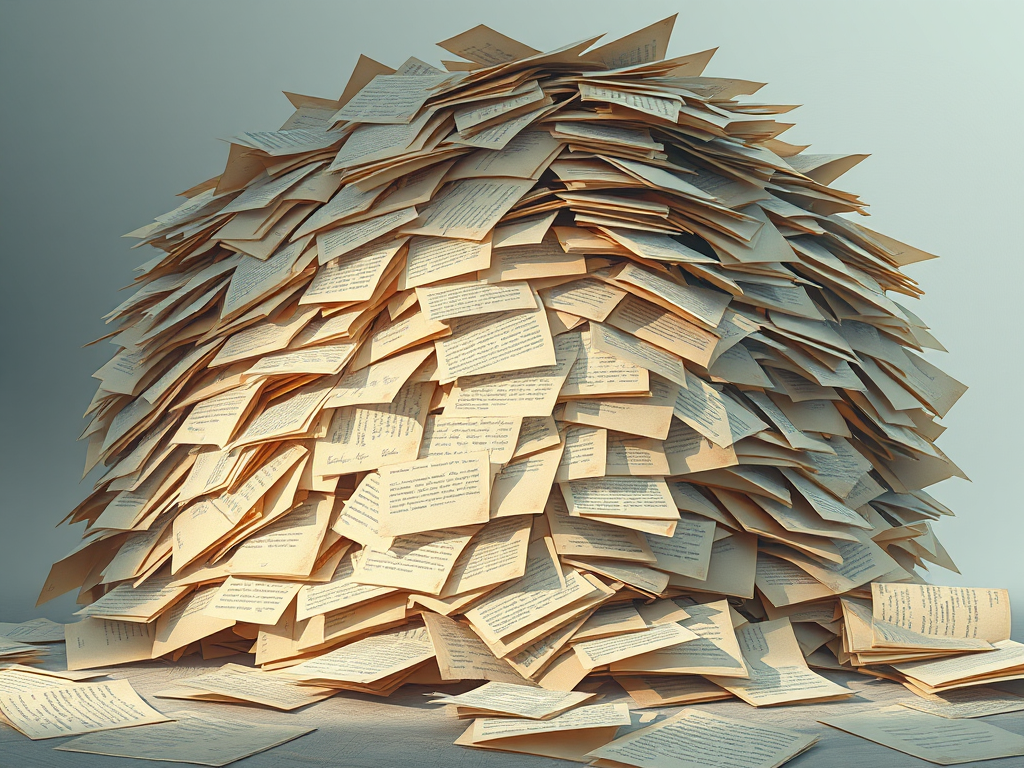
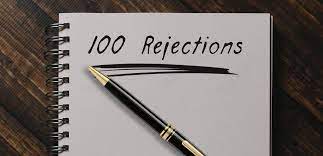
At the start of last year, I set myself a new and ambitious resolution. I was going to conquer rejection. I don’t mean that I would never get rejected again. Quite the opposite. I was going to aim for and receive 100 rejections by the end of 2024. I was going to swim in rejection, I would breathe them, live them. I would have so many rejection letters by the end of 2024 that I could construct a whole house and furniture and extension patio out of them. So, you know, just a little challenge to keep me occupied.

The purpose of this slightly masochistic exercise was not, as it would first appear, to destroy any sense of self-worth. No, the purpose was to remove any power of the word “no”. I was going to get so good at hearing the word no, of reading “Unfortunately, on this occasion, you have not been successful,” that it ceased to affect my equilibrium. In my earlier blog post, you can read all about my intentions and goals for the Year of 100 Rejections here.

I took inspiration from writers such as Sylvia Plath and Stephan King who famously celebrate their rejection letters, wearing them as armour, proof of their resilience and determination.

So, that was the attitude I went into 2024 with, and guess what? It worked!

Well, sort of.

I certainly learned a lot from the experience and that’s what I want to share with you, one year on from 100 rejections.

1.  Not All Rejections Are The Same

This was probably the biggest thing I learned. It might seem like an obvious one, but not all rejections feel the same. Inevitably, some opportunities will mean more to you than others. Some of them you just want more, so you care more, which means it will hurt more. And that’s OK. I’m now learning to adjust my rejection response, tailor my attitude depending on the opportunity, be honest with myself about how much I secretly (or not so secretly) want it, and tweak the strings of my heart accordingly. This is easier said than done, I’m still fine-tuning the chords of my heart but, like all personal growth, being conscious of it is the first step to progress.

2.  It’s Hard To Get 100

OK, so it turns out, 100 is a pretty big number – who knew?! It’s hard to find enough opportunities that you are.

A. Eligible for,

and

B. Can afford to enter (many competitions and applications these days have an entry fee.)

So, did I reach 100 applications? No. Did I give it a bloody good try? Hell yeah! I sent off as much as I could, to the point I even forgot many of the places I had sent into so that when I got the rejection (or the occasional yes!) it often came as a surprise. I sent out a lot, but I did not reach 100. Part of that was simply not enough hours in the day. It became quite time-consuming (and boring) to research suitable opportunities, double-check the rules and eligibility criteria, properly format your work for that particular application, etc, etc. You could do this full-time, all day every day, and still struggle to get to 100, but I sent out more than I would have if I had not made this resolution.

3.  It’s OK To Care

Even though the whole purpose of this exercise was to not care, I still, inevitably, found myself caring. It’s hard not to. What I had to be careful of was, when I did find myself caring, not to feel like that was an extra failure. You are human, you are made to care. It’s OK. Sometimes I was disappointed. Once, I even cried (mainly because I misread the email, and thought it was accepting my work only to reread and discover that it was very sweetly rejecting my work. Double burn!) Many rejections did not bother me at all. I’d say most of them had little to no effect on me. Water off a duck’s back. So when a rejection came through from an opportunity I desperately wanted or even felt like I had a good shot at, well, those were the ones that I did care about. And that’s OK too.

4.  It Can Force You To Write More

Lots of opportunities have an open theme, allowing you to showcase the work you have already created. This is, undoubtedly easier and less time-consuming however there is a lot to be said for a themed competition. Being forced to write something to a particular genre, word count or theme is a wonderful writing exercise and even if it isn’t chosen, I still feel like I won because now I have a brand new piece of writing that I can use elsewhere. One of my short stories that was published last year was written the previous year in response to a different writing competition. I was delighted to see it finally find its true home at a different publication and prove that all writing has a purpose – it helps you practice and become a better writer.

5.  Most Times You Won’t Even Get a No

A lot of the time – most of the time – you will NOT get rejected. You will just get silence and that can almost be harder. It takes so long to read through applications and entries that the wait time for writers to hear about their work can be months. Without an official rejection note, it’s hard to know what’s going on and even harder to get closure. You keep hoping and checking your inbox for any sort of reply, but many publications, don’t have time to give you an answer. Many of them even state in their FAQ that if you do not hear from them within X amount of time, you should assume it is a no. Which brings me to my next point …

6.  Pretend It’s Already a No

I promised myself that I would not hold on too tight. I would not hope. I would apply and then forget. I failed.

At the start, I failed at this a lot. I was still holding out for the hope of yes. That’s when it hurt the most. My attitude now is to send off the work and then, very gently, flick a switch in my head that tells me “This has already received a no.” That might seem very depressing and gloomy but in reality, what it does is release me. If I already file that work away as a no then I can carry on with my life, move on to the next thing, and stop thinking about it. I use my imagination to my greatest advantage and create a world where I can let go. I have not fully perfected the technique, but it is working for me, so, for now, I will continue to pretend it is already a no, and move on. 

7.  Sometimes It’s a Yes!

The joy of sending out so much work is that, statistically, eventually someone is going to say yes. Throw enough at the wall and something is going to stick. Enjoy the yes – then send something new out into the ether!

8.  Keep a Record

Just a bit of housekeeping – set yourself up with a spreadsheet or similar to stay organised and on top of your applications. Document what work you have sent, where you sent it to, what date you sent it, and if you heard back. Don’t rely on your memory. This saves you from accidentally sending off the same piece twice, double booking or just generally losing track of yourself. It’s also nice to look back on everything you’ve done and remind yourself how much you do and how much you try.

9.  It’s About Letting Go.

The very core of these exercises is to let go. We live in a success-obsessed culture. Success without failure is simply unachievable and so many of us can become suspended in this unrealistic state of imagined failure. Being told “No” is not a failure, rejection isn’t a personal comment on your creativity. You are not in control of how others receive your work or if they accept your work. You are only in control of creating your work and sending out your work. Those are manageable expectations. That is a reasonable thing to ask of yourself. Everything else can be let go of. 

10.  Don’t Do Anything That Hurts

 Let’s be real. Rejection does hurt. Sometimes it hurts more than others. Don’t do anything that hurts you beyond repair. This is meant to be fun, this is meant to bring joy, but if hearing no is too painful, then don’t do it. Nobody said you had to. Keep creating, keep making things, and keep doing the things that bring healing and joy and make you feel good. But don’t keep doing something that is hurting you. If you want to do anything professionally you are, of course, going to face some rejection, but it doesn’t have to be this thing. If it hurts too much, then take a break, and do something else. But, if after a while you find yourself wanting to return, if you feel strong and ready for more, then put yourself back out there. Manage your heart, be kind to yourself, and don’t do anything that hurts. 

So the year is over but is my resolution? Am I done with rejection?

Nah.

It’s been a great exercise in resilience, personal management, and dedication. Those are all excellent things for a writer. Ultimately, if it means I write more, then I am keen to do it.

And, shockingly, it was actually fun and writing should be fun. So, as long as it’s fun, I will keep doing it, and maybe 2025 will be the year I reach 101 rejections? 

Mastering Dialogue: A Christmas Guide

Dialogue is like the Christmas lights on your story’s tree. When it’s done right, everything sparkles and feels magical. When it’s done wrong, it’s a tangled mess that makes you want to scream into your hot chocolate. If you want your characters to sound like real people and not like creepy robotic elves, this festive post is for you. Let’s unwrap the gift of great dialogue, one (icicle) tip at a time.

*WARNING: this blog post contains many, many, many Christmas references. I’m not going to pretend like I couldn’t help myself. I could help myself. I just didn’t want to. Let the Christmas bells RING!!!

Why Dialogue Matters

Dialogue isn’t just about characters chatting. It’s the cranberry sauce to your turkey. Here’s why it’s essential.

  • Character Development: Think of dialogue as the Christmas card your characters send to readers. It’s how we figure out who they are, what they want, and why they might be on the naughty or nice list. Is your character a Santa or a Scrooge? Let their words show us.
  • Advancing the Plot: Dialogue is like a reindeer pulling your sleigh of your story forward. It gives readers the info they need without pages of expository prose.
  • World-Building: Why write a whole essay about your North Pole economy when a cheeky elf can complain about candy cane inflation in one line?
  • Creating Tension and Emotion: Nothing says holiday drama like a tense Christmas dinner conversation. Or the silence after someone burns the turkey.

The Golden Rules of Dialogue (a.k.a How Not to Sound Like The Creepy Talking Doll Your Niece Inevitably Gets Given)

Make It Purposeful

Every line of dialogue should have a reason to exist. If your characters are just saying,

 “Merry Christmas, How are you?” 

“Merry Christmas, I’m fine.” 

you’re writing a holiday card, not a novel.

Boring: “Hello. How’s the snow?”

Festive: “You tracked snow all over my clean floor again, didn’t you?”

Keep It Authentic

No one talks like they’re reading from “A Christmas Carol” when they’re down the middle of Lidl. Listen to real people. What sort of rhythm do different personalities have? 

Bonus Tip: If you’re writing a child, remember—they’re fluent in sugar-fuelled chaos and mischief.

Differentiate Your Characters’ Voices

Everyone’s unique**, so make sure your characters sound that way. A jolly Santa will sound different to a grumpy elf..

**”I’m not”

Example:

Santa: “Ho, ho, ho! That’s the Christmas spirit!”

Elf: “Can’t believe I’m working overtime for this nonsense.”

Show, Don’t Tell

Let your characters’ words hint at what they’re feeling. Nobody ever said, “I’m angry,” while genuinely angry—they’re too busy being passive aggressive about Christmas presents.

Instead of: “I’m disappointed.”

Try: “You really thought re-gifting last year’s fruitcake was a good idea?”

Use Subtext

Subtext is like the surprise gift you weren’t expecting, but love. It’s the stuff under the surface that makes everything better.

Example:

“That cardigan’s… unique,” she said, eyeing the reindeer pattern with barely concealed horror.

Pacing and Formatting: Don’t Lose Your Readers in the Tinsel

Break It Up

If your character starts sounding like they’re reading “The Night Before Christmas” in one breath, it’s time to cut that dialogue down. Sprinkle in some action or inner thoughts to keep things festive.

Example:

“I’m leaving,” she said, shoving her half-eaten gingerbread into her bag. “I don’t care if you think I’m overreacting.”

“It’s not overreacting,” he muttered, picking at the tinsel. “It’s a holiday meltdown.”

Avoid Dialogue Tag Overload

With that previous note in mind, readers don’t need to know that every line was “whispered,” “shouted,” or “sang like a caroler.” 

Most of the time, “said” works just fine—or just skip it and let the context sleigh ride to the rescue.

Overdone: “I love it,” she jingled joyfully.

Better: She laughed. “I love it.”

Mix Up Sentence Length

People don’t talk in perfect Hallmark script paragraphs. Use short, snappy lines for arguments and longer ones for warm, fuzzy moments. Unless your character’s had too much sherry, then just go with “Blurgh.”

Dialogue Don’ts (Because Christmas Mistakes Are Only Funny Later On)

The Exposition Dump

Instead of: “As you know, I’m your brother, and our father, Santa Claus, is retiring.”

Try: “Dad shouldn’t be sliding down chimneys anymore!”

Adverb Abuse

You don’t need to tell us your character “said something joyfully” if they’re throwing confetti. Actions speak louder than adverbs.

Forgetting About Silence

Not everyone has the perfect comeback ready. Let your characters pause, stumble, or blurt out the wrong thing. It’s way more relatable.

Example:

“I… uh… didn’t mean to eat the cookies,” he mumbled, crumbs falling from his mouth.

Fun Exercises to Level Up Your Holiday Dialogue

Dialogue-Only Scene

Write a scene with no descriptions or tags. Let the characters’ words carry the action. Bonus points if it’s an argument about something ridiculous, like whether Santa prefers mince pies or cookies.

Opposites Attract

Write a conversation between two characters who couldn’t be more different. A grumpy elf and a cheerful snowman? A grotto Santa and a child who’s too old for this? 

Subtext Showdown

Write a scene where the characters talk about the weather but are actually arguing about the burnt Christmas turkey. Let the tension shine through.

Writing great dialogue is part art, part science, and part listening to awkward family conversations over Christmas dinner – so there’s some homework right there! It’s where your characters get to be themselves—awkward pauses, bad jokes, and all. So go forth, write some killer conversations, and remember: it doesn’t count as eavesdropping*** if it’s for a novel. 

***Or ELVESdropping! O.K O.K I’m done now, I promise! 

Merry Christmas!

Transform Your Writing: Tips for Crafting Memorable Settings

Let me tell you something right now: locations matter. They matter like oxygen to your lungs, like that first cup of coffee in the morning, like your Wi-Fi signal when you’re in the middle of a dramatic writing breakthrough. A well-written location isn’t just a backdrop—it’s the pulse of your story, the heartbeat of your scenes. It can seduce, it can terrify, it can surprise, and it can do everything in between. The setting isn’t some side character hanging out in the background. Oh no. The location is the star right along with your characters.

If you’re ready to build a world that makes your readers sit up and pay attention, then buckle up because we’re about to dive into the magic of location writing. Let’s do this.

1. The Power of the Senses: Engage Them All

If your readers aren’t feeling your location, you haven’t truly taken them there. They need to be living it. Imagine your characters are stepping into the scene—and I want you to think about what they’re experiencing with all five senses, because this is not the time to be subtle. Go big or go home.

  • Sight: Paint me a picture. Are the trees dripping with moss, casting shadows like ancient sentinels? Or is the beach glowing with golden sunlight that screams, “This is where love happens”? Whatever it is, make it vivid.
  • Sound: What’s in the air? The crash of waves, the distant wail of a siren, the low hum of life outside a busy café? If your location has a soundtrack, let us hear it.
  • Smell: Don’t underestimate the power of smell. Maybe the air reeks of saltwater and old fish down at the docks. Maybe the bakery around the corner smells like sugar and sin.
  • Touch: Is it hot, sticky, freezing, or comforting? Can they feel the breeze lifting their hair or the chill of the subway platform?
  • Taste: Is the protagonist sipping a drink while staring out at the skyline? Is the salty air clinging to their lips? Is this location so real they could almost taste it? Then show us.

We don’t need to overload, but we do need specificity. This is where you stop writing and start crafting.

2. Location Sets the Mood—So Make It Work for You

Your location isn’t just a physical place; it’s emotional. It sets the tone for your characters. It’s the mirror to their feelings, their journey, their chaos. If the character is a mess inside, you best believe the weather’s about to have a full-on storm of its own. Or maybe things are calm for the first time in months, and the sun’s finally breaking through those metaphorical clouds.

  • Dark alleys? Get ready for danger. Suspense. Someone’s not making it out of this scene without a scrape.
  • Sunlit park? Romance, baby. First dates, last kisses, big promises. This is where magic happens.
  • Raging storm? Someone’s about to have an emotional breakdown. Maybe the tears fall right alongside the rain. Maybe they’re screaming into the wind. Either way, it’s epic.

If you’re writing a tense negotiation scene in a dimly lit office with blinds casting shadows—guess what? That tension’s doubled because the mood is working with you. Your location has your back.

3. Specificity is Your Best Friend—Make the Details Sing

General? Vague? Forget it. If you’re going to tell me the story takes place in “a small town,” I’m going to need more. Is it the kind of small town where everyone knows your name and also your business? Or the kind where the petrol station is 30 miles away and there’s no phone signal?

Your setting is specific, it’s real, and it matters. If it’s a real place, do the work. Research. Get it right. 

And if your location is fictional—oh, you better know every crack in the sidewalk and the sound of every door creak. Own your world-building. Is there a clock tower that strikes every hour on the dot? A broken lamppost no one’s bothered to fix for ten years? A diner with terrible coffee but the best cakes in the world? Let those details sing.

4. Location Shapes Your Characters

Listen, people don’t just exist separately from their surroundings. They are shaped by them, they react to them. If your character’s walking down the mean streets of New York City at midnight, they’re going to act differently than if they’re strolling through a quaint village in Tuscany, okay?

  • In a city, your character might rush, dodge pedestrians, and blend into the chaos.
  • In a small town, they’re more likely to slow down, wave at passersby, maybe recognize the same dog tied outside the coffee shop every morning.

Also, don’t forget about local culture and customs. Where are your characters from, and how does that influence their interactions with this place? A newcomer in a place might feel awkward, out of step, like they don’t belong. A native? They own the streets. The setting influences not just the actions of your characters but their mood and their motivation.

5. Show, Don’t Tell—The Golden Rule of Location

This one’s classic for a reason. You want to tell me the place is “creepy”? No, no, show me. Let me feel it creeping under my skin. Use your words like a surgeon with a scalpel, carefully slicing into the scene and pulling out just enough to reveal the truth.

  • Telling: “The house was spooky.”
  • Showing: “The front steps sagged like a weary old man, and the windows, dark and empty, seemed to watch her every move. The wind whispered through the cracks in the walls, its breath cold against the back of her neck.”

See that? Now the house isn’t just spooky—it’s alive. It has character. It means something.

6. Pacing Yourself—Don’t Drown in Description

Yes, I know. We love a dramatic location. But here’s the thing—no one needs three paragraphs about the intricate woodwork on a single door unless that door is about to kill someone. Descriptions are like the seasoning in a meal: just enough and it’s perfect. Too much and it’s overwhelming.

Give us what we need to be there, to feel it, and then let the story move. The readers will fill in the blanks if you give them the right clues.

7. Your Location is a Character—Treat It Like One

Here’s where the real magic happens. Your location is not just a background prop. It’s alive. It’s breathing, plotting, influencing everything. The location is a character with just as much personality and influence as any human one.

Ask yourself: What role is my setting playing in this story? Is it working against my characters or for them? Is it a sanctuary or a threat? Make sure it’s actively shaping the narrative.

Final Thoughts

When it comes to writing locations, you have to commit. Don’t let it be an afterthought. Make your setting vivid, specific, and alive. Bring it into the story as much as you bring your characters into it. Use all the senses, match the mood, and let your location do some of the heavy lifting – your setting is the scene-stealer no one saw coming.

Now go. Build your world, one sensory detail at a time. And remember, it’s not just about where your story happens—it’s about why it happens there.

Happy writing, and may your settings be just as engaging, dramatic, and unforgettable as your characters

Top Writing Apps for Creatives in 2024

Writers, like knights of the literary world, need the right sword—or in our case, a killer app—to slay their projects. 

Whether you’re conjuring up a novel, wrestling with a screenplay, or just trying to make your blog post sound like you know what you’re doing, having the right tools can turn you into the word-wielding warrior you’re meant to be. The Dragons of doubt will fall at your feet and the gremlins of grammar will flee before your might! 

But with so many options, choosing a writing app can feel like wandering through a bookstore with no exit (although, on second thoughts, that actually sounds brilliant!) 

But fear not, for I have travelled through the wild wood of writing tools to bring you the best writing programs and apps for 2024.

Was that a bit overdramatic? No not at all! Onward my brave knights of knowledge! Huzzar,  Excelsior! and also wak-a fol-diddle! 

(O.K I’m done now). 

1. Scrivener: The Swiss Army Knife of Writing Programs

Best for: Writers who have more ideas than time to organize them.

Scrivener is basically the multi-tool for anyone writing a novel or screenplay. It lets you chop your work into chapters, scenes, or chaotic bursts of inspiration, while neatly organizing everything so you don’t feel like you’re drowning in a sea of half-finished ideas.

Features:

  • An outliner for those of us who pretend to be organized.
  • Split-screen mode so you can argue with your past drafts.
  • A research folder that becomes your second brain.

Why Writers Love It: Scrivener keeps both your brilliant ideas and your spiraling distractions in check. Plotters and pantsers alike feel at home here, especially when it helps you spot the chapter that’s trying to go rogue.

Available on: macOS, Windows, iOS.

2. Google Docs: The MVP of Collaborative Writing

Best for: Writers who don’t trust themselves to back up their work. (a.k.a ME!) 

Google Docs is the digital notepad for writers who need to collaborate or just want their work saved every 2.4 seconds. You can work from your phone, your laptop, or probably your smart fridge at this point, and it’s always there, saving your hide when your laptop battery dies at 2%.

Features:

  • Real-time collaboration (so you can see your editor rip apart your work in real time).
  • Autosave for people who refuse to remember “Ctrl + S.”
  • Easy formatting, unless you hate all fonts except Comic Sans.

Why Writers Love It: It’s everywhere, it’s free, and it auto-saves like an anxious parent checking on a sleeping baby. Also, sharing your doc with someone is just one click away from getting brutally honest feedback.

Available on: Web, Android, iOS.

3. Ulysses: The Zen Master of Writing Apps

Best for: Writers who hate clutter but love structure.

If you think of writing like a meditation (or at least pretend to), Ulysses is your quiet, minimalist temple. It’s designed for writers who don’t want shiny buttons and pop-ups ruining their vibe. Here, it’s all about the words—just you, a blinking cursor, and your fleeting sense of productivity.

Features:

  • Markdown formatting that’s cleaner than your last attempt to format a blog post.
  • A sleek library system that makes you look like a professional, even if you’re panicking inside.
  • Seamless syncing, because having your novel everywhere is just the kind of pressure you thrive on.

Why Writers Love It: Ulysses cuts out distractions like a ninja with a to-do list. If you’re a fan of Marie Kondo-ing your life, this app is like the writing tool equivalent. Everything sparks joy here—especially the lack of clutter.

Available on: macOS, iOS.

4. Grammarly: The Grammar Vigilante

Best for: Writers who think they’re above punctuation rules (but really aren’t).

Grammarly is the friend who loves you enough to tell you that “there” isn’t the right “their.” It catches typos, bad grammar, and all those times you accidentally wrote “defiantly” when you meant “definitely.” Think of it as spell check on steroids.

Features:

  • Suggestions for grammar, punctuation, and tone, because it knows you’re aiming for “friendly” but ended up at “passive-aggressive.”
  • Plagiarism detection for those late-night “inspirations” you swear are original.
  • Style checks that make you sound polished, even when your brain is a mess.

Why Writers Love It: Grammarly doesn’t just catch your errors; it also explains them. So, after using it for a while, you’ll sound smarter—and your editor will thank you for not committing comma crimes. Available on: Web, Chrome extension, Windows, macOS, iOS, Android.

5. Hemingway Editor: The Editor Who Tells It Like It Is

Best for: Writers who over-explain things… like this sentence.

If your writing tends to wander off into the forest of unnecessary words, Hemingway Editor is the one that brings you back to the road. It’s here to make sure you say what you mean and mean what you say—without sounding like a thesaurus sneezed on your manuscript.

Features:

  • Readability score that tells you how smart your writing sounds (or doesn’t).
  • Highlights sentences that are so complicated even your brain needs a nap.
  • Color-coded feedback that’s basically traffic lights for your prose.

Why Writers Love It: This editor doesn’t mince words. It helps you cut the fluff and gives your prose the same directness that Hemingway used—except you won’t have to write in a cabin with no electricity to make it happen.

Available on: Web, Windows, macOS.

6. Scrible: The Research Rabbit Hole Wrangler

Best for: Writers with research habits that start with one link and end three hours later on Wikipedia.

Scrible is the tool for writers who get lost in the research jungle. You can annotate, highlight, and stash articles in one place, so when it’s time to start writing, you’re not stuck searching through 87 tabs.

Features:

  • Annotate and tag web pages like a research Jedi.
  • A library for articles, so you can finally pretend you’re organized.
  • Integrates with Google Docs, because we all know that’s where your writing ends up anyway.

Why Writers Love It: Scrible makes researching feel like you’re in control, even though you know you’re not. It’s perfect for those who like to dive deep into the details but don’t want to drown in them.

Available on: Web.

7. yWriter: Scrivener’s Little Cousin (That Doesn’t Cost a penny)

Best for: Plotters on a budget (or people just allergic to paying for software).

yWriter is like Scrivener’s free-spirited sibling. It offers many of the same plotting features but doesn’t ask you to spend a dime. If you’re someone who likes to map out every chapter, scene, and character, this one’s for you.

Features:

  • Character and location tracking for when your plot gets convoluted.
  • Scene and chapter breakdowns, so you can shuffle things around like a literary jigsaw puzzle.
  • Frequent updates and the best price ever: free.

Why Writers Love It: It’s Scrivener on a budget. No bells and whistles, just a solid program for those who need to organize their novels before their brain gives up on them.

Available on: Windows, macOS, Android.

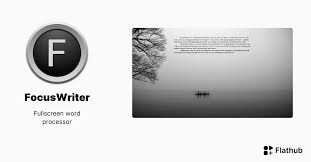
8. FocusWriter: The App That Tells Distractions to Get Lost

Best for: Writers with the attention span of a goldfish.

FocusWriter knows you need help. It gives you a distraction-free, full-screen interface to keep you locked into your writing, even when Netflix is only a click away. It’s simple but effective, like a cup of coffee for your brain.

Features:

  • A customizable environment that makes you feel fancy.
  • Word count and time goals, because we all need something to aim for.
  • Free, because distractions are costly enough.

Why Writers Love It: FocusWriter is perfect for the easily distracted. It turns your computer into a writing sanctuary where you can’t procrastinate… at least for a few minutes.

Available on: Windows, macOS, Linux.

Final Thoughts

Of course, you don’t have to use any programmes, apps or tools to support you but if you discover one that suits you and your writing, it could make all the difference. At the end of the day the best writing tool is the one that makes you feel like a literary legionary. These tools are meant to support you and your brilliant brain so that you can get the most out of your imagination. 
So, try them out, find your favorite, and get writing— (And don’t forget to save your work. Wak-a-fol-diddle!)

OK, now I’m really done. 

Crafting a Comeback: Nurturing Creativity After Taking a Writing Break

The last time I sat down to write this blog it was the height of Summer. I was wearing shorts and everything smelled of sunscreen. Now, I’m already in my cosy jumpers and dusting off the slow cooker. It’s been a while since I last wrote …

I knew I wouldn’t be able to dedicate much time to writing over the Summer. The children were off school, there were deaths and births and more pressures on everyday family life so I allowed myself to take a natural break. Rather than feel sad about the lost writing time I decided to look upon this as merely a pause, the kind that we all need to take sometimes. A friend said to me recently, “We have to take the breaks when they come so that we don’t break.” It has quickly become one of my favourite sayings.

Taking a break from your writing is nothing to apologise for. If you know you have a busy or stressful time coming up, it’s sensible to adapt your routine.

I sometimes worry  that we as a society  have become afraid to take a break, to stop and breathe. But breath is life, breath can re-centre and refocus us. Don’t be afraid to simply breathe. 

I allowed myself to breathe over the summer, to enjoy my children, with slow play and simple days but now, I’m ready to start writing again. All around me the autumn season is snuggling down for the cold season to come but I am waking up.

However, it isn’t easy. I can feel the rusty joints of my brain creaking and complaining as I attempt to get them working again. Writing  and creativity is a muscle, the more you use it the stronger it gets and just like any muscle that you stop using, it takes practice to get the strength back.  

So how do we return to writing after taking a break? How do we get our groove back? I’ve asked myself this a lot recently and here’s what I’ve come up with – I hope you find it useful too!

1. Be Gentle With Yourself 

If you were a runner and you took a break after straining your ankle you wouldn’t expect yourself to get back to full stamina straight away, so why do we demand the same of our creativity? Your ideas are still there, they just might need a little more time to form. Your creativity might have lost its stamina but with a bit of gentle exercise, you will get it back. So while you’re working your muscles and building back  to full strength, be gentle with yourself, don’t expect to be able to run a marathon straight away. 

2. Read

I find the best way to fall back into writing is to fall back into reading. Find a story that you love and allow yourself to be immersed in it, get inspired and excited, remind yourself why you love words. If you don’t know what to write, then read. If you don’t know what to read then pay a visit to your local bookshop or library and ask them for a recommendation. Book people love to recommend books and you never know, you might find your next favourite story. 

3. Create a Simple Routine

Your brain will need rules if it’s to get back to writing so make yourself a simple, easy to do list. Start small. Don’t feel like you need to play catch up – it’s important that your writing tasks are non threatening and easy to achieve at the beginning. The idea is to re-introduce yourself to regular writing, to make it an inviting task and not a chore. How you do that will look different to everyone depending on what you need but here are some ideas and examples to get you started. 

  • Write one sentence 
  • Write down a writing prompt 
  • Reread something you wrote before you took your break 
  • Edit one paragraph 
  • Free write for two minutes
  • Journal or draw 
  • Sit and do nothing for five minutes. No phone, no book, no tv or music. Just sit and think about anything. Or nothing. For five minutes. 

These steps are enough. Think of them as light weights in the gym, to practise lifting. They are simple for a reason. 

4. Motivation and Reward

No, you’re not treating yourself like a dog, you are working with the cause and effect response designed by your very clever brain. When you get something nice after completing a task, your brain will want to do that task again. A cup of tea, a biscuit, reading a chapter of your favourite book, or just having a rest are all simple ways of incentivising your brain and keeping you on track. You don’t have to go on rewarding yourself forever but at the start, it’s a good way to keep you motivated.

5. Tell Your Inner Critic To Be Quiet

The voice of the inner critic is the biggest killer of creativity. There’s nothing like you, for getting in your own way is there? Which is a shame because your inner critic, if used carefully, can be an excellent writing tool. The inner critic can be incredibly useful when it comes to editing, for getting things right, for tidying things up and being exact. That’s because your inner critic is the bossy sensible grown up in your brain. They are there to keep you clean and tidy and follow the rules. Inner critics are great at tidying up a manuscript but they are total pants at creating one. That’s because your creativity, the bit of your brain that comes up with the ideas and doesn’t care about rules, is a child. Creativity wants to run through the woods with scabby knees, and shriek at the sky and never ever wash its face. Your Inner Critic makes sure the game has rules and makes sense but your creative child ensures that there is a fun game to play in the first place. So, for now, your inner critic isn’t invited to any of your playdates. Let your creativity be a wild thing, let them make up nonsense, let them run and  jump and fly and play. Your inner critic and go take a nap.

So, this is my plan for September and I am excited. After a rest we often find ourselves changed so what kind of writing will I return to? What sort of ideas can my newly rested brain come up with? How does my creative child see the world now? What games do they want to play? They say a rest is as good as  a feast but I am hungry for the page. The world is getting ready for hibernation but I am ready to remerge and, I hope, you are too.

So, be gentle with yourself, do not censor yourself. Reward yourself, inspire yourself and, most of all, allow yourself to be yourself. After all, there’s no one who can write quite like you. 

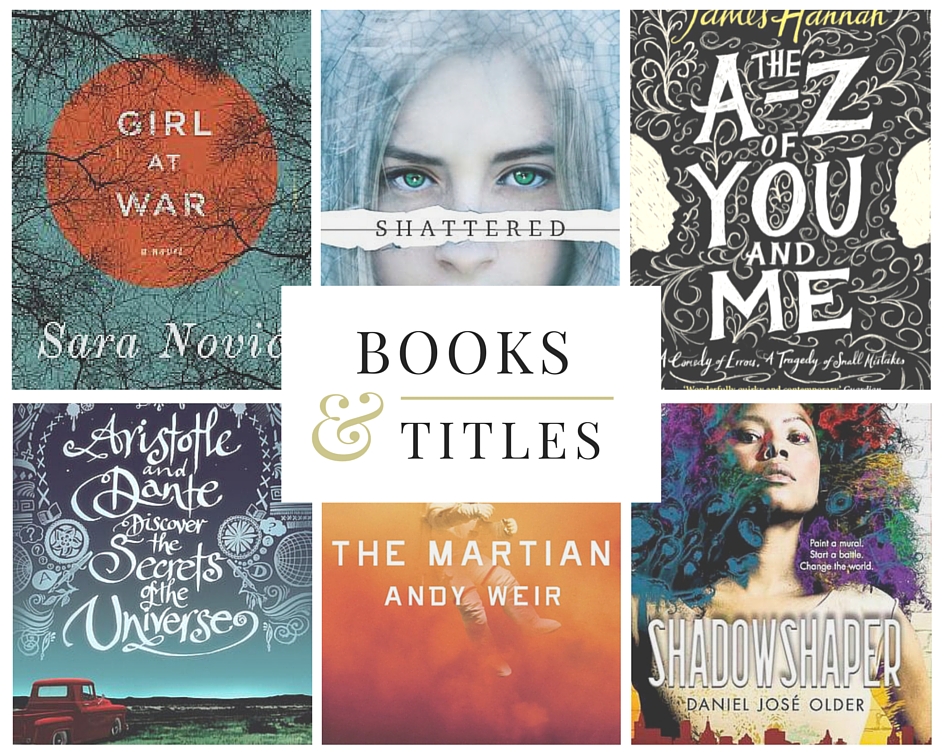
How To Title Your Story

Choosing a title for your story can be a tricky business. Sometimes it can feel even harder than writing the story itself – there is so much pressure to pick the right one.

 A bad title can ruin all the hard work you just put into crafting the perfect story because if your title is boring, confusing, or just plain bad, who’s going to want to read it? 

I frequently find that I have a story that I like but no title or a kick-ass title, but no actual content to go with it!

Titles are something most writers struggle with at one point or another, so I decided it would be a good idea to break down some techniques, tips, and tricks to help find the best title for your story. 

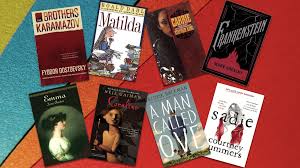
1. Using A Character Name from Your Story 

There are so many famous books that include the main character’s name. This is often seen in children’s books, especially if they are part of a series, but plenty of adult books use this technique too. You can use the name alone or you can weave the hero’s name into the action of the story, letting your readers know why this person is worth reading about. 

  • Emma by Jane Austen 
  • Alice in Wonderland by Lewis Carroll
  • Harry Potter and the …. By J. K. Rowling
  • Rebecca by Daphne du Maurier
  • Charlie and the Chocolate Factory by Roald Dahl.
  • Jane Eyre by Charlotte Bronte 

2. Using a Line of Dialogue From Your Story

This can create a sense of intrigue and can also help sum up the message or theme of your book. If the line is clever, funny, or poignant, it can also be a way of giving a showcase of your writing to entice the reader in. This is sometimes referred to as a title drop.

  • Who Will Run The Frog Hospital by Lorrie Moore
  • Don’t Worry I’m Wearing Really Big Knickers by Louise Rennison
  • Oranges Are Not The Only Fruit by Jeanette Winterson
  • Are You There God? It’s Me, Margaret by Judy Blume
  • Not The End Of The World by Kate Atkinson

3. Use the Setting of Your Story

If the location, or setting, is a central theme in your story, consider weaving that into your title. It’s great for hooking your reader in with the promise of an interesting environment, especially if it’s an unusual, exotic, or fantastical one. 

  • Nights at the Circus by Angela Carter
  • Passage to India by E. M. Forster
  • The House of the Spirits by Isabel Allende
  • The Midnight Library by Matt Haig
  • Room by Emma Donoghue
  • The Beasts of Paris by Stef Penney

4. Using A Dramatic Moment From Your Story

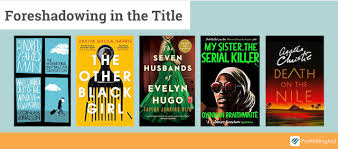
Foreshadowing a major event in the book can be a tantalising way of hooking in your reader. As long as you don’t give too much away, you can play with different ways to tease the reader with the exciting events that will unfold in your story by using a “crisis clue” as your title. 

  • Murder on the Orient Express by Agatha Christie
  • The Fall of the House of Usher by Edgar Allan Poe
  • As I Lay Dying by William Faulkner
  • Let the Right One In by John Ajvide Lindqvist
  • An Inspector Calls by J. B. Priestley

5. Using An Important Object 

Is there an object of great power or an important item in your story? By including that in your title, you can signpost clearly to your reader where the drama and adventure will be focused, especially if the object is magical, interesting, or symbolic. 

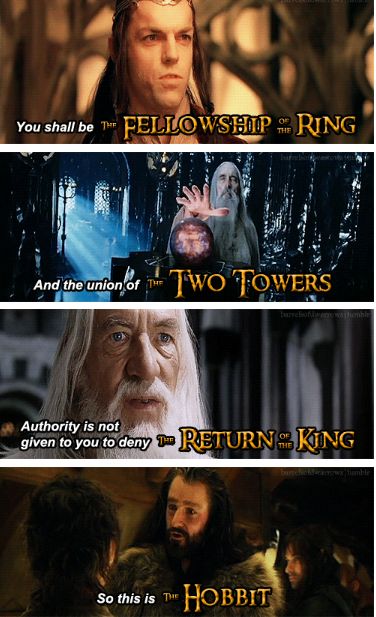
  • The Lord of the Rings by J. R. R. Tolkien
  • The Picture of Dorian Grey by Oscar Wilde
  • James and the Giant Peach by Roald Dahl
  • The Scarlett Letter by Nathaniel Hawthorne
  • The Girl with the Pearl Earring by Tracy Chevalier

6. Using Symbolism From Your Story

This can be a beautiful and subtle way of titling your story. It gives less away in terms of what the reader can expect from the plot, but it is intriguing and appeals to a reader’s creativity, adding a sense of mystery. It’s also an artistic and artful way of communicating complex central themes in your story. 

  • Our Wives Under the Sea by Julia Armfiled
  • The Catcher In The Rye by J. D. Salinger
  • The Bloody Chamber by Angela Carter  
  • The Bell Jar by Sylvia Plath
  • The Bluest Eye the Toni Morrison
  • A Gate At The Top Of The Stairs by Lorrie Moore

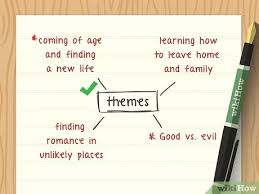
7. Using the Central Theme or Message in Your Story

This is a concise way of letting your readers know exactly what your story is about. It leaves no confusion about your themes and content and makes it clear what kind of message you are trying to get across. It can also be a good exercise to test whether you really know what your central theme is, and if it is clear.

  • Sense and Sensibility by Jane Austen
  • The Unbearable Lightness Of Being by Milan Kundera
  • The Rules of Magic by Alice Hoffman
  • A 101 Dalmatians by Dodie Smith
  • The Trees by Ali Shaw
  • Vanity Fair by William Makepeace Thackeray
  • Atonement by Ian McEwan

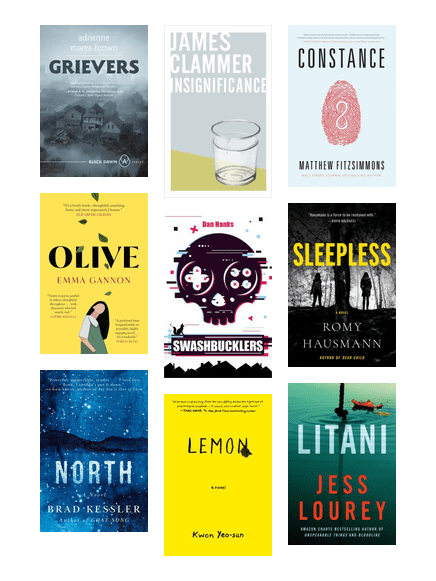
8. Using One Word to Sum Up Your Story

Being able to distill your story to one word has the dual effect of being both concise and mysterious. With one word, you can create a sense of unease, poignance, or importance. You can choose to use the word alone or preface with articles (A, The). 

 Even if you don’t choose a one-word title, it can be a useful exercise for you as a writer. – if you had to condense your tale down to just one word, what would that word be?

  • The Slap by Christos Tsiolkas
  • Holes by Louis Sachar
  • The Cows by Dawn O’Porter
  • Perfume by Patrick Suskind
  • The Beach by Alex Garland
  • Persuasion by Jane Austen
  • It by Stephan King

9. Using an Action or Activity from Your Story

Is there an action that is fun, shocking, or unusual in your story? Including an activity or reaction in your title can create a sense of energy. This sense of ongoing movement can entice readers into the story’s momentum.

  • Salmon Fishing In The Yemen by Paul Torday
  • We Bought a Zoo by Benjamin Mee
  • Around The World In 80 Days by Jules Verne
  • Riding In Cars With Boys by Beverly Donofrio
  • The Dark Is Rising by Susan Cooper
  • Making Money by Terry Pratchett

10. Using Humour From Your Story

Is your story witty, silly, or laugh out loud? Then let your readers know how hilarious you are by including your funny vibes in the title. Giving your book a playful title is an excellent way of signposting your genre and finding your audience. If they laugh at your title, they will want to read the rest.

  • So Long and Thanks For All The Fish by Douglas Adams
  • And Then It Fell Off In My Hand by Louise Rennison
  • The Fifth Elephant by Terry Pratchett
  • Death and Croissants by Ian Moore
  • The Book That No One Wanted to Read by Richard Ayoade
  • Woman of a Certain Rage by Georgie Hall
  • Eating People Is Wrong by Malcolm Bradbury

What you might have already noticed is that plenty of titles do more than one thing. Sometimes they include character names and actions. Sometimes they are funny and also use dialogue. Titles can do more than one thing and often do. Hopefully, these will give you some inspiration and you can have fun playing around with different ideas. Here are some other general tips on crafting a killer title 

  • Keep it short – in general, most titles are between 1-5 words long. That’s not a concrete rule, it’s simply the most usual amount. The exception to this is usually comedy titles, where a long one can be funny.
  • Don’t mislead – some titles sound super cool, but if it has nothing to do with the story, then the reader could end up feeling frustrated and even betrayed by the writer. You can be mysterious but be honest. 
  • Make it special – you want to pick something that hasn’t already been used. Try searching for your title and check that one like it doesn’t already exist. You want to stand out and not get confused with someone else’s book.
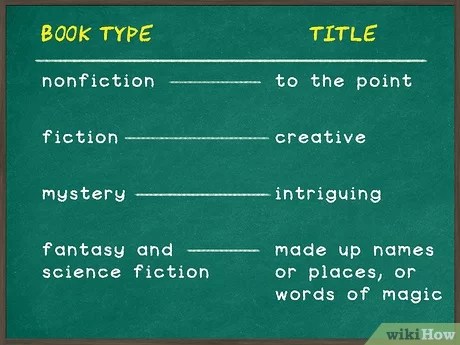
  • Let your genre lead you – are you writing crime? Mystery? Thriller? Use that vibe to help you pick your title and guide the right audience to your writing style. 
  • Make it easy to remember – a concise, clear title that makes sense is the most important thing. 
  • Appeal to your target audience – ask yourself, if someone enjoyed my book, what other books would they like? Look at similar books and their titles to get a general feel for what your title should sound like.
  • Say it out loud – it might seem obvious, but say your title out loud to yourself. Ask other people to say it out loud to you too. Do you still like it? Is it easy to say and understand? Try putting it in a sentence, “I’ve just finished reading this new book, it’s called …” How does it sound in context, and how do you feel saying it? 

At the end of the day, don’t worry if you don’t know what your story is called yet, most writers don’t settle on a title till after they’ve finished the first draft because hopefully, by then we actually know what our story is about! 

Writing Routines

I was procrastinating the other day.

 I told myself it was research but …. I can be honest with you …right? 

OK ….  It was procrastination. 

One of my current favourite ways to avoid actually writing is to google other writers.

 I’m exceptionally nosey. 

No, not even that, I am fascinated, gripped, obsessed with other writers and their routines. Maybe because writing can be such a lonely and solitary activity, I find myself craving the company and reassurance of how other writers work. How do they like to do it? For how long?  Where? When, and with what tools? 

On this day, I had just spent a particularly difficult hour, trying to chisel out a new chapter, one painful word at a time. In need of some reassurance (or possibly a stick to beat myself with) I found myself  googling “famous authors daily word count.” 

I got to wondering “how many words should I be writing a day?”

And that’s a very dangerous word. 

“Should.” 

It is so easy to fall into the belief that we should be doing things a certain way for them to have value. 

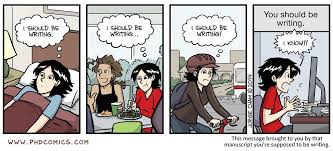
I should be writing this many words.

I should be writing for this amount of time.

I should be published by this age. 

I should write about a particular genre/style/subject. 

etc etc. 

Should is a bitter-taste-whip- crack-across-the-face, sort of word. I fall into the Should trap all. Of. The. Time. I wish I didn’t and I don’t want anyone else to either. 

I don’t want anyone to feel like they should be doing anything at all. We all have our own way of doing things and the only thing you need to consider is, is it working for you? 

BUT, like I said, I am very very nosey and so I continued googling anyway and, once I stopped comparing myself to other writers something magical happened. 

I was able to enjoy sharing these different routines and habits without feeling threatened by them. Even if they were intimidating, or high brow or unachievable for my own lifestyle. Even if that writer’s habits were very different from my own – especially if they were very different – it didn’t matter. It was just … interesting.  I simply enjoyed peering into their lives in a way that made me feel part of a larger community. 

We are all different writers with different styles and techniques, but we are all writers. We understand this process, how it feels, the highs, the lows and what it requires from us to achieve a finished piece of work. It made me feel seen and understood and no longer lonely on a difficult writing day. And that’s something that we should* allow ourselves to feel more often. 

*OK maybe it’s not always such a bad word. 

Stephen King’s daily word count: 1,000 words

Stephen King’s daily writing routine has slowed as the years have gone by however he remains committed to writing daily, even on weekends. He says, “I used to write more and I used to write faster – it’s just ageing. It slows you down a little bit.” In the past, he would generate 2,000 words per day, but now he dedicates four hours to writing and achieves approximately 1,000 words.

Margaret Atwood’s daily word count: 1,000 to 2,000 words

Margaret Atwood  starts working at 10am, aiming for 1,000 to 2,000 words per day and she  tries to wrap up her work by 4pm but will work into the evening if her writing is going particularly well. “I’d get up in the morning, have breakfast, have coffee, then go upstairs to the room where I write, I’d sit down and probably start transcribing from what I’d handwritten the day before.” 

Lee Child’s daily word count: 2,000 words

Lee Child says he aims to write 2,000 words a day, though this can vary. “Some days I write just a couple hundred words, but it’s crucial I feel pleased about it. There are so many invisible things – setting up mood, prefacing a transition. But routine narrative, I’ll write 2,000 words a day.”

Kazuo Ishiguro’s daily word count: 5 to 6 pages

Kazuo Ishiguro doesn’t write every day, but when he does, he aims for 5-6 pages per day — any more than that and he feels the quality of his writing becomes substandard. “It’s like a jazz musician who gets the best music out and then pulls out. There’s always something else productive or administrative to be done.”

Salman Rushdie’s daily word count: 400 to 500 words

Salman Rushdie says he used to write more when he was younger however it also needed more revising. As he’s got older he says he writes less but the work also needs less reworking afterwards. “I used to get a lot more written in a day than I do now—four pages, five pages. Now I’m doing 400 or 500 words. The difference is that the work used to need a lot of revision. Now I write much less, but it’s closer to a finished piece.”

Sebastian Faulks: 1,000 Words

Faulks believes in consistency when working. “When I am writing a book I write from ten till six everyday in a small office near my house,” he says. “I never write less than a 1000 words a day

Maya Angelou Words 2500

Maya Angelou keeps a hotel room in her hometown and pays for it by the month. She goes in around 6:30 in the morning and asks the management and housekeeping not to enter the room. She’s never slept there and  usually leaves by 2pm. She then goes home, reads what she’s written in the morning, then works on editing. “I write five or six days a week, usually a minimum of 2000 words, sometimes more. 2000 words can take anywhere from three to eight hours.”

Neil Gaiman Words 1500

Neil Gaiman says he’ll start writing around 1pm and stop around 6pm. He writes longhand, with pen and ink which allows him to get the words out, without the temptation to edit as he writes. Then, as he copies the longhand words into the computer, he starts editing. He says when writing he only gives himself 2 options, 

“You can sit here and write, or you can sit here and do nothing. But you can’t sit here and do anything else. A good day is defined by anything more than 1,500 words of comfortable, easy writing that I figure I’m probably going to use most of in the end. Occasionally, you have those magical days when you look up and you’ve done 4,000 words, but they’re more than balanced out by those evil days where you manage 150 words you know you’ll be throwing away.”

So what’s your preferred way of writing? Do you have a daily writing count, set amount of time or pages to aim for? Do you write in the branches of a tree? Upside down on your bed or at the kitchen table? However you do it, I hope it gives you joy and if it’s working for you then it’s the perfect routine for you. Good luck and happy writing! 

HOW TO PICK YOUR POINT OF VIEW

There are so many decisions to make when writing a story. What genre should you write in, who should your main character be and just how many cups of tea is too many? (Trick question, there’s no such thing as too much tea).

Some of these questions you work out along the way and some, you need to decide right at the start. Choosing which narrative voice or Point of View (POV) to tell your story in, is one of the biggest decisions you may make. 

Don’t let that frighten you though because, while there are lots of different POVs to choose from, none of them are wrong. The only thing you have to decide is, which feels right for this particular tale. In this month’s blog post I’m going to outline some of the main POV to choose from, as well as some tips on how to choose, in the hopes of making, at least one of your decisions, a little bit easier. 

1. Do what comes naturally 

Writing is hard enough as it is, so don’t try to shoehorn your story into a particular POV simply because you think it’s popular or that it’s the “correct” way of writing. When you tell yourself the story in your head, how does it sound? The best narrative voice is the one that feels most normal, natural and flowing. If you keep having to stop and check that you are keeping to your chosen POV or you keep slipping into different ones then you might need to reconsider your narrative voice. There’s no such thing as the best narrative voice, just pick the one that feels best for this story. 

2. You can change your mind

This is a follow on from tip one. If you start writing and think that you might have chosen the wrong voice then you can always go back and change it. Nobody will know but you and it would be no fun to write a book in the wrong voice. It might be irritating, having to go back and rewrite those pages, but much like unpicking a shirt to restitch it, you have to make sure it fits right. It might even be helpful to see a few pages written in a couple of different narrative styles and help you decide if you have been having doubts. Remember, you are not carving your story into stone, you can always change your mind. 

3. Who’s Story is it Anyway

We’ve all heard the phrase “character is story.” Deciding who your protagonist is, what kind of person they are and, most importantly, how you want your readers to feel about them can really help with choosing your POV. Think of your narrative point of view as the camera lens of your book. What do you want the reader to be looking at, where do you want their sympathies and attention directed? It will also affect the style of writing, how and when you reveal certain plot points. Do you want the reader to think and feel everything your character does? Do you want your reader to know more than the characters by looking in with a full world view? Thinking about who the story really belongs to can help you decide the narrative voice that’s right for you. 

Feel free to experiment, try writing some flash fiction using different Points of View to see which ones you like best. Like choosing different clothes, you won’t know what styles suit you until you try them on. Here are some of the major narrative perspectives, and their examples,  to choose from. 

First Person Singular – using “I”

First person narratives allow you to see the story through one character’s eyes, with full understanding of their thoughts and feelings. 

The Girl on the Train by Paula Hawkins  

The Handmaid’s Tale by Margaret Atwood‍

Shadow and Bone by Leigh Bardugo

The Bell Jar by Sylvia Plath 

To Kill a Mocking Bird by Harper Lee

“I pull the filthy plaster off the end of my finger and look at the pale wrinkled flesh beneath, dried blood caked at the edge of my fingernail. I press the thumbnail of my right hand into the center of the cut and feel it open up, the pain sharp and hot.” – The Girl on the Train by Paula Hawkins

First Person Plural – Using “We”

A lesser used first person narrative using the collective “We” allowing the reader to see the story through the eyes of a group.

‍The Virgin Suicides by Jeffrey Eugenides‍

The Notebook by Agota Kristof

Our Hearts Will Burn Us Down by Anne Valente

We Ride Upon Sticks by Quan Barry 

“It didn’t matter in the end how old they had been, or that they were girls, but only that we had loved them, and that they hadn’t heard us calling, still do not hear us, up here in the tree house, with our thinning hair and soft bellies, calling them out of those rooms where they went to be alone for all time, alone in suicide, which is deeper than death, and where we will never find the pieces to put them back together.” – The Virgin Suicides by Jeffrey Eugenides 

First Person Epistolary – Using letters or diary entries

A First person narrative in the style of a confessional, the main character is telling the story as a writer themselves

‍The Color Purple by Alice Walker‍

Dracula by Bram Stoker

‍The Secret Diary of Adrian Mole aged 13 3/4 by Sue Townsend‍

Frankenstein by Mary Shelley 

Angus, Thongs and Full-Frontal Snogging by Louise Rennison

“11.35 am

There are six things very wrong with my life:

1.I have one of those under-the-skin spots that will never come to a head but lurk in a red way for the next two years.

2.It is on my nose.

3.I have a three-year-old sister who may have peed somewhere in my room.

4.In fourteen days the summer hols will be over and then it will be back to Stalag 14 and Oberfuhrer Frau Simpson and her bunch of sadistic teachers.

5.I am very ugly and need to go into an ugly home.

6.I went to a party dressed as a stuffed olive.” Angus, Thongs and Full Frontal Snogging by Louise Rennison

Third Person Limited (or close third) – Using He, She, It, They

A camera from above style, the story is directed through the current character, showing only their experiences, actions, and thoughts

The Ballad of Songbirds and Snakes by Suzanne Collins.

The Harry Potter series by JK Rowling ‍

The Da Vinci Code by Dan Brown

The Girl with the Dragon Tattoo by Stieg Larsson

“Harry Potter rolled over inside his blankets without waking up. One small hand closed on the letter beside him and he slept on, not knowing he was special, not knowing he was famous, not knowing he would be woken in a few hours time by Mrs. Dursley’s scream as she opened the front door to put out the milk bottles.” Harry Potter and the Philosopher’s Stone by JK Rowling 

Third Person Omniscient – All Seeing Narrator

The narrator has complete knowledge and insight of all characters and shares this understanding with the reader.

Little Women by Louisa May Alcott

The Lord of the Flies by William Golding 

Pride and Prejudice by Jane Austen 

Stardust by Niel Gaimen 

Tomorrow and Tomorrow and Tomorrow by Gabrielle Zevin 

“When Jane and Elizabeth were alone, the former, who had been cautious in her praise of Mr. Bingley before, expressed to her sister how very much she admired him. “He is just what a young man ought to be,” she said.” Pride and Prejudice by Jane Austen 

Second Person – Using “You”

Using ‘you’ to narrate the story, the writer casts the reader as the main character and directs the story through you. 

The Night Circus by Erin Morgenstern

Half Asleep in Frog Pajamas by Tom Robbins

Open Water by Caleb Azumah Nelson

You by Caroline Kepnes

“You may tell a tale that takes up residence in someone’s soul, becomes their blood and self and purpose. That tale will move them and drive them and who knows what they might do because of it, because of your words. That is your role, your gift.” ― Erin Morgenstern, The Night Circus

In the End …..

There are so many choices out there, all of them with their own benefits and limitations. So many genres and subgenres exist that you will never be short of choice and that’s what it ultimately comes down to. In the end, it is always your choice. Choosing can be difficult but until you choose your point of view you can’t start writing so just choose one and see how it feels. Try it on for size. Read books using that particular narrative lens and see how you like it from a reader’s perspective. Then pick your voice, and go tell your story. 

Good luck and happy writing! 

How to Develop Your Writing Practice

We all know that we get better at what we practice. Even if you have a natural talent and innate skills you still need to spend time honing those skills and learning your craft. Just like a ballerina would do a daily barre routine or an athlete might run everyday, a writer needs to stretch their creative muscles to keep them strong. 

There isn’t really a wrong way to practice writing, we’re all different writers with different strengths, weaknesses and styles. However, if you want to get the most out of your writing practice you need a method that suits you, allowing you to build and nurture your own individual skills.

So here are some tips and advice on how to create the best writing practice for you. Remember, you are in charge of your writing so you can mix up and change how you learn and develop depending on what you need that day, that week, that year. We create best when we listen to ourselves so take stock of your life and emotional state to allow yourself to make the most healthy and most relevant decisions for you. These may change depending on whatever else is going on in your life so be kind and remember to keep checking in with yourself. 

1. What do you want to learn? 

Identify what it is about your writing you want to improve and why. “I want to be a better writer” is too vague to be helpful. Instead, think about the details of your writing and what you struggle with the most. Do you want to feel more confident with plot structure? Character development? Description, dialogue, metaphor? Once you can pinpoint the parts that need practice, you can focus your attention more effectively. 

2. Join a group

Writing can be lonely so it’s important to find a group that you feel comfortable with. You need to be able to share your progress, get encouragement and feel inspired by others. Whether you find a local group to meet up with in person, or join a regular writers zoom online or even have one writing running buddy that you can check in with, find your writing tribe. It’s really important to have someone that you can share your practice with, both for support as well as for feedback. 

3. Get a notebook 

OK this one probably sounds stupid. You’re writers, of course you have notebooks or the file equivalent on your computer but this is a different sort of notebook. It’s a trash notebook. It’s battered and ugly, full of spelling mistakes and bad handwriting and YOU DON’T CARE BECAUSE THAT IS THE POINT. This is a place for you to try things out and get things wrong and write “badly”. Nobody else gets to see this. Ever. This is not the place you write your novel, this is where you experiment and it doesn’t matter what the outcome is. Give your writing a space where it is allowed to be imperfect. 

4. Read

Apart from actually writing, this is the single most important thing you can do for your writing practice. It is particularly helpful if you can identify what you struggle with most in your own writing and then read books that show really good examples of that. For example, maybe you struggle with plot twists – then read some Agatha Christie! Are you trying to hone your atmospheric writing skills to create a sense of dread? Stephan King is great for that! Pick your problem and then go to the masters to read and learn. 

5. Get Some Lessons

This can be in the form of a course or a one off workshop or an online seminar or even a book that you coach yourself through. There are countless options out there for writing lessons, enough to suit every timetable and purse size. Find one that feels right to you and keep attending. There is always something new to learn or something old we need reminding of. No matter how good you are or how successful you become, there is always something new to learn.

“The fool doth think he is wise, but the wise man knows himself to be a fool.”

6. Make time to practice 

If you do something everyday you get better at it so make sure you carve out regular writing time. This can be really hard to do with busy lives and hectic schedules but it doesn’t have to be a long practice for it to make a big difference. Just ten minutes everyday will significantly improve your writing skills and it really does all add up. If you are struggling with finding regular writing time then check out my previous blog post on Finding Time to Write

7. Rest

Rest time is as important as practice time. If you were rehearsing for a play you would expect the director to give you breaks so that you can come back fresh. The same is true for writing. When learning it’s important to give your brain time to process what it has just learned so if you feel yourself getting frustrated or your brain is getting overheated, stop. Go for a walk, make a cup of tea, take a deep breath and then come back to your practise with a clearer head. 

8. Accept that some days are better than others

Learning is not linear. Your writing practice is not going to play out like a Rocky movie montage with each shot showing your gaining better and stronger skills with zero back sliding. That is not how learning works, that is not how our brains work. Some days you will be better at this than others and some days it can feel like you’ve just taken three steps backwards. THAT IS OK AND TOTALLY NORMAL! It’s all part of the learning process and we tend to learn the most from the things we find hardest.

9. Free Writing

Free writing is one of my favourite ways to practice writing. The whole point of this exercise is to remove all pressure off of the outcome and allow your subconscious to take the lead. Get a pen and paper (it’s important that you write with your hands if possible). Put your pen to the paper and start to write. You don’t pause, you don’t take your pen off the paper, you just keep writing. It doesn’t matter what you write about, the only thing that matters is that you keep writing. Continue doing this until you have filled up three pages. Alternatively you can set a timer for ten minutes (or whatever you can commit to) and write continuously for that time.

You don’t read these pages back to yourself, they are not for anything, they are simply a way of getting your brain into a relaxed flow of writing. Some of you may know this practice as “the morning pages” from the Artist’s Way by Julia Cameron. She comments that “something magical happens around page two” which I have found to be true on many occasions. I highly recommend this book, it has so many good ideas for connecting with your creativity. 

10. Acknowledge your progress

When a child is learning to walk do you shout at it for falling over? Or do you smile at it, cuddle and congratulate it? Do you tell them how well they are doing and to keep going? 

Your creativity is a child, often shy and self conscious and sometimes misbehaving. As time goes on it becomes more resilient but berating it won’t harden its skin, only its heart. Treat your writing like you would treat a child learning and growing. Acknowledge and take time to congratulate yourself on your progress. Did you write something new today? Wonderful! Did you share something with your writing tribe? Nice one! Did you learn something new from your writing lessons? Amazing! Where you are today was not where you were yesterday, each step is a step to be proud of and if you keep doing that, just imagine where you will be tomorrow, next week, next year?  

Here are the names and links to some books on writing and creativity to help support you. You can get these online or pop down to your nearest book shop and help support local businesses. I bought most of these from our beautiful bookshop in Okehampton, Dogberry and Finch. You can also order online and in person from them.

The Artist’s Way by Julia Cameron

On Writing: A Memoir of the Craft by Stephen King

Save the Cat! Writes a Novel by Jessica Brody

Big Magic: Creative Living Beyond Fear by Elizabeth Gilbert 

Into the Woods: How Stories Work and Why we Tell Them by John Yorke

Finding the Time to Write

I feel guilty about a lot of things. I feel guilty that I don’t eat enough fruit and veg, that I don’t understand politics better, the amount of sugar I have in my tea, and that body buried in the back garden – just kidding! (it’s in the front garden).

One thing I feel most guilty about is my writing. 

I feel guilty that I don’t write enough, that I’m focusing on too many projects at once, that I give up on too many projects, or I’m working on the wrong ones. 

And that’s silly because I love to write. I LOVE it, it is my party vibes, fun time. 

So why does it so often come with this big side order of guilt? 

My biggest guilt is that I don’t write every day anymore. I have two children under five and honestly, I’m still working out my family/writing rhythm. The good thing is, I know I’m not alone. When I talk to other writers, they say much the same thing. They’re juggling jobs with their creative work, caring for relatives or children, or simply trying to stay on top of life. With so many other demands on our time, writing can feel like a luxury that we just don’t have space for. 

So, if, like me, you find it hard to carve out time for your writing but desperately want to get more writing done, here are some helpful – and hopefully reassuring – tips for you to try. 

  1. Go With The Flow 

I used to love the idea of having a writing space. A special spot for being creative, that I would make beautiful, inspiring, and comfortable. That would be my sacred space to write in. But the risk of having one special spot to write in is that you can convince yourself that it is the ONLY space you can write in. Through necessity, my writing desk has had to come with me and I write whenever, and wherever, I get the chance. Even if it’s just a sentence or two while I’m waiting for the train, or a line typed one-handed on my phone while I make my daughter’s breakfast. It’s messy and imperfect but it’s written and that’s all that matters. So let go of the idea that writing happens, sat down at a desk, and embrace writing “in the wild” wherever you can. I’d love to hear about some of the unusual places you’ve written in!

2. Thinking about writing counts as writing (up to a point!) 

OK, hear me out y’all, I don’t want it to sound like I’m giving all of us procrastinators permission to never actually write anything. What I am saying is that thinking about your writing is important too. We spend our whole lives living inside our minds, but only a short amount of time putting pen to paper. All the rest of the time, your story is living in your imagination. It’s right there for you to play with, so feed it, listen to it, and let it run inside the cinema of your mind. Get to know your characters, and put them in different situations, while you’re waiting for the kettle to boil, brushing your teeth, or sitting in the getaway car outside the city bank. Whatever you’re doing, if you’re not writing your story, think about your story. Get to know your story so well in your mind that when you do have time to work on it, all the details will be right there at your fingertips 

  1. Get into the Habit 

We all know that creating a routine that we repeat every day is the best way to form good habits. Creating a regular writing habit that you know you can stick to is one of the best ways to get writing and keep writing. Whether it’s on your lunch break, while you eat breakfast, or before bed, make it part of your daily routine till it becomes a habit and slowly but surely your story will get written. If you know you have space in your day that you can write in, then make that part of your daily routine. As much as brushing your teeth every day is a daily habit, think of writing as your daily creative hygiene!
  1. Less is more (or better than none!) 

Sometimes I unintentionally stop myself from writing because I feel, unless I have a long period to write in, what’s the point of starting? That’s so silly though. Ten minutes every day is better than nothing, right? Ten minutes every day is over an hour of writing a week. A hundred words a day is 36,500 words a year, and that’s halfway through the first draft of a novel! If you wait for the right time to write, then you’ll get nothing written. But by doing a little every day, drip by drip, word by word, it all adds up. It doesn’t have to be six hours a day of writing for it to count as writing. We all get there the same way, one word at a time. 

  1. Reading is writing 

Reading is as important as writing is. Reading inspires us and reminds us why we love to write. Understanding what you enjoy as a reader helps you craft what your readers will enjoy. Get to know your preferred genres and also read books you don’t like so that you can understand what doesn’t work for you. Trying to write without also reading is like trying to be a cook without ever tasting anything. Most importantly,  it’s fun! When I feel creatively zapped, I pick up a good book and I’m reminded why I love words and stories and sharing them. 

  1. It’s OK if you don’t 

Our lives are full of things to feel guilty about. Don’t let writing be one of them. We do this because we love it, but if you didn’t have time, the headspace, or even the heart for it today, then that’s ok too. Sometimes a rest is as good as a feast and there’s no benefit in beating yourself up for not getting a few words on the page today. The page will still be there tomorrow, so for now, just let go of feeling guilty.